 Campbell Steven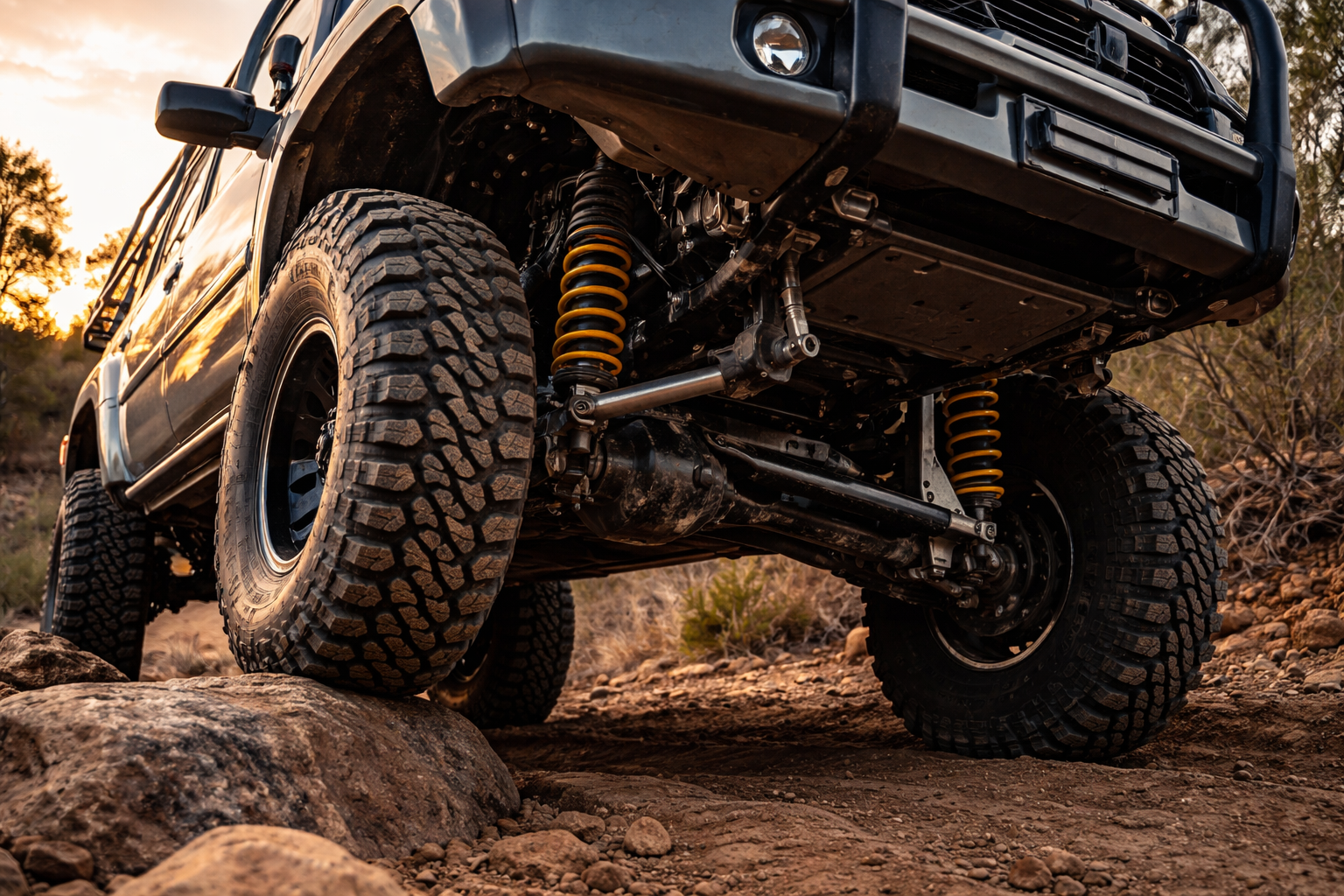
Introduction
If you drive a four wheel drive in Western Australia, you already know how quickly road conditions can change. One weekend might mean smooth highway driving, and the next could be sand, rocky tracks, ruts, or long corrugated roads. Your suspension is what keeps the tyres in contact with the ground, helps the vehicle stay steady, and makes the drive less tiring.
This guide is written to help you choose the best suspension Perth drivers often look for when they plan off road use. It focuses on practical benefits, common setup choices, and simple checks you can do before and after an upgrade.
Why suspension matters for off road driving around Perth
Perth drivers often deal with a mix of surfaces that can punish a standard suspension setup, especially when the vehicle carries extra weight.
Common local driving conditions that affect suspension
-
Corrugations that shake the vehicle for long distances
-
Soft sand that needs steady traction and correct ride height
-
Rocky sections where ground clearance and control matter
-
Ruts and washouts that test wheel travel
-
Heat that can stress shocks on long drives
When suspension is not suited to these conditions, you may notice more bouncing, less grip, nose dive under braking, and poor control on uneven ground. A better setup can improve comfort, steering feel, and stability when loaded.
Start with your vehicle weight and how you drive
Before looking at parts, get clear on how your vehicle is used. The best suspension Perth owners choose is usually the one matched to real load and real terrain, not the highest lift or the stiffest springs.
Questions to answer first
1. How much extra weight do you carry most of the time?
Think about bull bar, winch, second battery, roof rack, drawers, fridge, tools, water, and fuel.
2. Is the load constant or only for trips?
A vehicle that is heavy every day needs different springs than one that is light most of the week.
3. What type of off road driving is most common?
Sand driving needs a different feel than rock crawling or long corrugated roads.
4. Do you tow?
Towing changes rear suspension needs a lot, especially with a loaded trailer.
Tip: Write down your typical setup in three modes. Daily driving, weekend trips, and long trips. This makes it easier to pick spring rates and shocks.
Key suspension parts and what they do
Suspension is a system. Changing one part without thinking about the rest can lead to poor results.
Springs
Springs hold the vehicle up and carry weight.
Coil springs
Common on many wagons and some utes at the front. They can improve ride comfort and control when matched to load.
Leaf springs
Common on many utes at the rear. They handle load well but need good shock control to reduce bounce.
Shocks
Shocks control spring movement. They reduce bouncing and keep tyres on the ground. On long rough roads, shocks can heat up, and cheaper shocks may fade, which means less control.
Bushes
Bushes reduce noise and allow controlled movement. Worn bushes can cause vague steering, clunks, and uneven tyre wear.
Control arms and alignment parts
When ride height changes, suspension angles change too. Some vehicles need extra parts to bring alignment back to a healthy range.
Choosing a lift height for off road use
Many people start with lift height, but it should come after load and driving style.
Common lift ranges and what they suit
Mild lift
Good for daily driving with light off road use. Often keeps handling close to stock while improving clearance.
Mid lift
Good for regular off road trips and moderate added weight. This is a common choice for people searching best suspension Perth options for mixed use.
Higher lift
Can help clearance, but it may bring more alignment changes, driveline angles, and the need for extra parts. It can also affect handling if not built as a full package.
Signs you may be aiming too high
-
The vehicle feels tall and loose in corners
-
Steering does not self center well
-
Front end feels harsh over small bumps
-
Tyres wear faster on one edge
A balanced lift with the right spring rate often feels better than a tall lift that is not matched to the vehicle.
Setup choices that improve comfort and control
A good suspension upgrade is not only about height. It is also about how the vehicle behaves.
Useful setup goals for off road driving
-
Stable steering on uneven tracks
-
Less brake dive on road
-
Better traction on rough ground
-
Smoother ride on corrugations
-
Better support when loaded
Simple checks before buying parts
-
Measure current ride height at each corner on flat ground
-
Check tyre wear patterns
-
Look for shock leaks and damaged boots
-
Check if the vehicle sags when loaded
-
Note any pulling, vibration, or steering shake
These checks help you avoid blaming suspension for problems caused by tyres, alignment, or worn steering parts.
visit : https://sharp4x4.com.au/barwork/
Comparison table: common suspension options
| Setup type | Best for | Main benefit | Watch outs |
|---|---|---|---|
| Stock replacement shocks and springs | Light use, mostly road | Fresh ride and better control | Limited support for added weight |
| Load matched springs with quality shocks | Touring with gear | Better stability when loaded | Can feel firm if chosen too stiff |
| Comfort focused touring setup | Mixed use road and tracks | Less harshness on long drives | May need extra support for heavy loads |
| Heavy duty load setup | Constant heavy gear, towing | Holds height and reduces sag | Can ride firm when unloaded |
| Lift with alignment parts where needed | Regular off road and clearance needs | Better clearance with safer handling | Costs more, needs proper fitting |
This table can help narrow your choices when searching for the best suspension Perth drivers use for beach runs, gravel roads, and remote trips.
Fitting and tuning: what matters after install
Even the best parts can feel wrong if setup steps are skipped.
Post install checklist
Wheel alignment
Alignment should be done after the suspension settles. Poor alignment can make the vehicle wander and wear tyres fast.
Check ride height
Measure again after a short drive and again after a week of normal use.
Torque check
Bolts can settle. A recheck helps prevent noise and movement.
Brake line and sensor checks
After a lift, lines and cables must have safe slack through full travel.
Test drive on mixed roads
Try smooth roads, speed bumps, and a rough section. Listen for knocks and feel for steering changes.
Maintenance tips to keep suspension working well
Suspension is not a fit and forget item, especially for off road use.
Easy habits that help
-
Wash mud and salt off after beach driving
-
Check shocks for leaks before long trips
-
Recheck bolts after hard off road weekends
-
Watch tyre wear as an early warning sign
-
Replace worn bushes before they damage other parts
If you drive rough tracks often, do a quick visual check every month. It takes a few minutes and can prevent bigger repairs later.
Common mistakes people make
Choosing springs based only on lift height
Lift without matching load often leads to sagging later or a harsh ride.
Going too stiff for daily driving
Heavy duty springs can feel rough when the vehicle is empty.
Ignoring alignment needs
Many handling complaints after a lift come from alignment, not from the shocks.
Mixing old and new parts
New shocks with old tired springs, or new springs with worn shocks, can give uneven results.
Conclusion
The best suspension Perth drivers choose for off road is usually the one that matches how the vehicle is actually used. Start with your load, how often you tow, and the terrain you drive most. Then pick springs and shocks as a set, choose a sensible lift height, and finish with alignment and basic checks.
A good setup can give better comfort, steadier control, and more confidence on sand, corrugations, and rough tracks, without making the vehicle hard to live with every day.
FAQs
What is the best suspension Perth drivers should pick for mixed use?
A load matched spring and shock setup is often a strong choice for mixed use. It supports daily driving while handling weekend trips with gear.
Do I need a lift for off road driving near Perth?
Not always. Tyres, good shock control, and correct spring rate can help a lot. A mild to mid lift can help clearance, but it should match your vehicle and load.
How do I know if my vehicle needs heavier springs?
If the rear sags with normal trip gear, if headlights point up when loaded, or if the vehicle bottoms out on bumps, heavier springs may help.
Visit here for more Informational blogs at felehters.