 Campbell Steven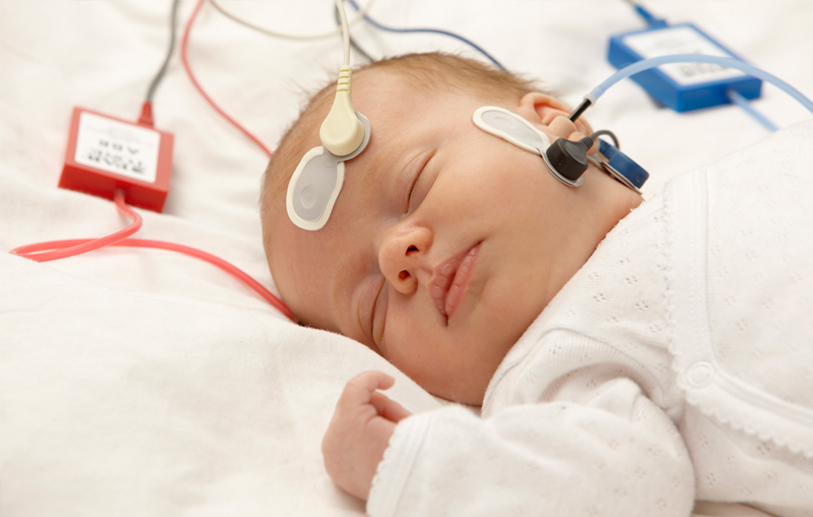
Hearing is an essential sense that plays a vital role in communication, learning, and overall quality of life. Detecting hearing issues early can significantly improve treatment outcomes, especially in newborns and young children. One of the most effective methods for assessing hearing is the ABR test, also known as the Auditory Brainstem Response test. This article provides a comprehensive overview of ABR testing in Pakistan, its importance, procedure, and benefits.
What is an ABR Test?
An ABR test is a non-invasive hearing assessment that measures the brain’s activity in response to sound. By recording electrical signals generated by the auditory nerve and brainstem, healthcare professionals can identify potential hearing impairments. Unlike standard hearing tests, an ABR test does not require the patient to actively respond to sounds, making it especially useful for newborns, infants, and individuals unable to communicate effectively.
Importance of the ABR Test in Pakistan
Hearing loss affects individuals of all ages, but early detection is crucial for newborns and children. In Pakistan, the ABR test Pakistan is increasingly being recognized as an essential diagnostic tool. Hospitals, audiology centers, and specialized hearing clinics across the country now offer this test as part of routine newborn screening programs and diagnostic assessments for patients with suspected hearing problems.
Types of ABR Tests
The Auditory Brainstem Response test can be categorized into different types depending on the clinical need:
-
Diagnostic ABR Test – This test helps determine the degree and type of hearing loss in patients of all ages.
-
Newborn ABR Screening – A preventive screening conducted on newborns to detect congenital hearing issues early.
-
Threshold ABR Test – Used to estimate the quietest sounds a person can hear, assisting in precise hearing aid fitting.
How is an ABR Test Performed?
The ABR test procedure is simple, painless, and usually completed in a clinic or hospital setting. Electrodes are placed on the patient’s scalp and earlobes to detect electrical activity in response to sound stimuli. The test is typically conducted in a quiet, soundproof environment.
For newborn ABR screening, the baby may be asleep or in a calm state, ensuring accurate results without causing discomfort. The entire process usually takes 20–60 minutes, depending on the patient’s age and the complexity of the assessment.
Benefits of ABR Testing
The ABR test offers multiple benefits, making it a preferred choice for hearing evaluation:
-
Early Detection of Hearing Loss: Detects hearing impairments in newborns, allowing timely intervention.
-
Non-Invasive and Painless: Safe for all ages, including infants and elderly patients.
-
Accurate Results: Provides precise information about auditory nerve and brainstem function.
-
Guides Treatment: Helps audiologists and ENT specialists create effective hearing management plans.
ABR Test vs. ASSR Test
While both ABR test and ASSR test evaluate hearing, they serve slightly different purposes.
-
ABR Test: Measures the brain’s response to sound and is particularly effective for newborns or patients unable to respond actively.
-
ASSR Test (Auditory Steady-State Response): Provides frequency-specific hearing thresholds and is often used to fine-tune hearing aids in children and adults.
Healthcare professionals in Pakistan often recommend the ABR test as the first-line screening method, followed by an ASSR test if further evaluation is required.
Who Should Consider an ABR Test?
An ABR test is suitable for a wide range of patients:
-
Newborns: Routine screening for congenital hearing loss.
-
Children: Identifying hearing issues that may affect speech and language development.
-
Adults: Assessing unexplained hearing loss, tinnitus, or neurological concerns.
-
High-Risk Individuals: Those with a family history of hearing loss or exposure to ototoxic medications.
Preparing for an ABR Test
Minimal preparation is required for an ABR test. Patients should:
-
Avoid using hair products that may interfere with electrode placement.
-
Keep infants calm and well-fed for newborn screenings.
-
Inform the audiologist about any medications or medical conditions.
Cost and Availability of ABR Test in Pakistan
The ABR test Pakistan is widely available in major cities such as Karachi, Lahore, Islamabad, and Rawalpindi. Costs may vary depending on the facility, ranging from affordable rates in public hospitals to slightly higher fees in private audiology centers. Many clinics now provide comprehensive hearing assessments that include both ABR test and hearing test ABR, ensuring accurate diagnosis and follow-up care.
Conclusion
The Auditory Brainstem Response test is a reliable, non-invasive, and highly effective method to assess hearing function. With early detection and timely intervention, individuals, especially newborns, can enjoy better auditory development and improved quality of life. In Pakistan, the increasing availability of ABR test services, including newborn ABR screening, highlights the commitment to enhancing hearing healthcare for all ages.
For families and individuals concerned about hearing loss, scheduling a hearing test ABR at a reputable clinic is an essential step toward early diagnosis and treatment.