 Campbell Steven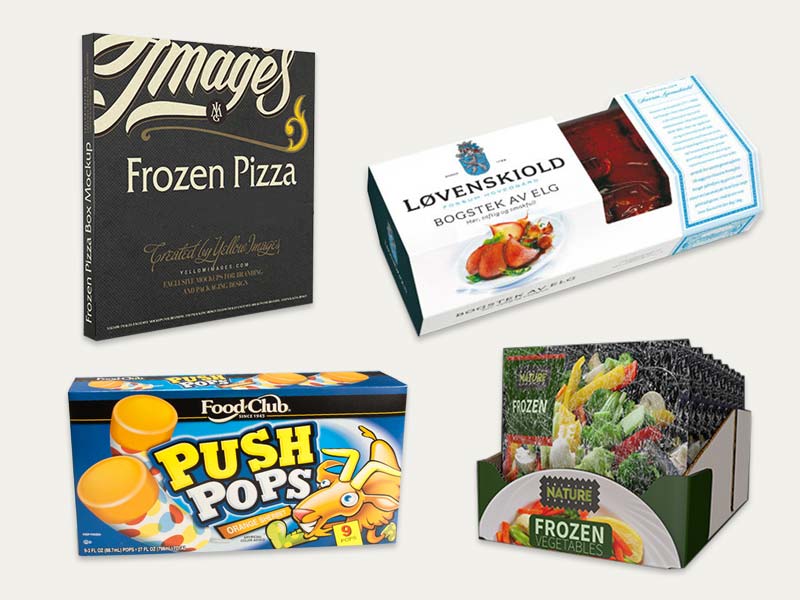
The food industry faces tough competition every day. Brands need new ways to stand out on store shelves. Interactive packaging offers a solution that works really well. It creates direct connections between products and buyers. This approach turns ordinary boxes into interesting experiences. Food companies use technology and creative ideas to impress people. The result is stronger brand loyalty and better sales.
Why does interactive packaging matter for food products?
People today expect more than basic product labels. They want experiences that fit into their daily routines. Interactive packaging meets this need by adding extra value. Scanning a code can show recipes or health facts. Some packages change color to show if food is fresh. Others include games or contests that give out prizes. These features make shopping more interesting and build confidence. Brands that skip this trend may lose buyers to others.
What types of interactive features work best for packaging?
Several simple technologies work well in food packaging today. QR codes remain popular because phones can read them fast. Augmented reality features let buyers see virtual images on screens. Near field communication chips send data with one quick tap. Temperature stickers show if products stayed cold during shipping. Personalised food packaging solutions let brands add names or special words. Each option works differently depending on who will buy it.
How do food brands measure success with interactive packaging?
Tracking engagement gives useful information about buyer habits and choices. Scan rates show how many people use the package features. Time spent looking at digital content shows interest in information. Repeat uses suggest strong brand connection and buyer happiness. Sales numbers before and after show the real money impact. Packlim offers tools that help brands understand these numbers better. Social media posts and shares give more details about reach.
Which food categories benefit most from interactive elements?
Organic and health products gain big advantages from interactive packaging. Buyers of these items often want detailed ingredient information. Snack foods can use games to attract younger people. Baby food brands calm parents with safety checks through scans. Specialty items from Canada and other places can share stories. Frozen foods use freshness stickers to build trust in quality. Every category finds different uses that match what buyers expect.
How does interactive design increase repeat purchase behavior today?
Repeat purchases happen when buyers feel connected to a brand. Interactive packaging creates reasons to buy the same product again. Collectible codes or points systems encourage multiple purchases over time. Limited edition digital content makes each package feel special. Buyers share their experiences with friends and family members. This word-of-mouth marketing brings in new customers naturally. Brands see higher lifetime value from each customer relationship formed.
What challenges do brands face when implementing interactive packaging?
Cost worries often make smaller food companies wait before starting. Advanced technologies need investment in design and production equipment. Technical problems can upset buyers if features do not work. Privacy worries come up when packages collect information through devices. Some buyers lack smartphones or do not like digital features. Supply chain changes may be needed for new packaging materials. Brands must think about these problems against possible gains first.
How does interactive packaging for food brands improve customer loyalty?
Creating special opening experiences builds emotional bonds with products. Buyers remember brands that give value beyond the food. Exclusive content accessed through packaging makes people feel valued. Loyalty programs built into packages reward repeat buying with discounts. Educational content about nutrition or cooking builds confidence and trust. Personal connections formed through these features lead to recommendations online. Long term relationships grow when brands always deliver interesting experiences.
What regulations affect interactive packaging in the food industry?
Food safety laws need clear labeling no matter what features exist. Digital parts cannot hide legally required information like allergy warnings. Data collection through smart packaging must follow privacy regulations. Environmental rules control materials used in packaging production and disposal. Marketing claims made through interactive features need proof and records. International trade needs understanding regulations across different markets and places. Compliance teams must check all interactive parts before product launches.
Where is interactive packaging technology heading in coming years?
Artificial intelligence will let packages give custom suggestions based on preferences. Biodegradable electronics will solve environmental worries while keeping digital functions. Voice-activated packaging may allow hands-free access to information. Blockchain connection could give complete supply chain details for worried buyers. Sensory features might include smell release or texture changes. These innovations will make packaging even more important to brand plans.
Conclusion
Interactive packaging represents a big change in how food brands connect. Companies that use these technologies early gain advantages in busy markets. The investment pays off through better sales and stronger relationships. Starting small with simple QR codes can lead to advanced uses. Success needs understanding both technological abilities and buyer preferences well. Food brands must welcome innovation to stay relevant in changing retail.