 Campbell Steven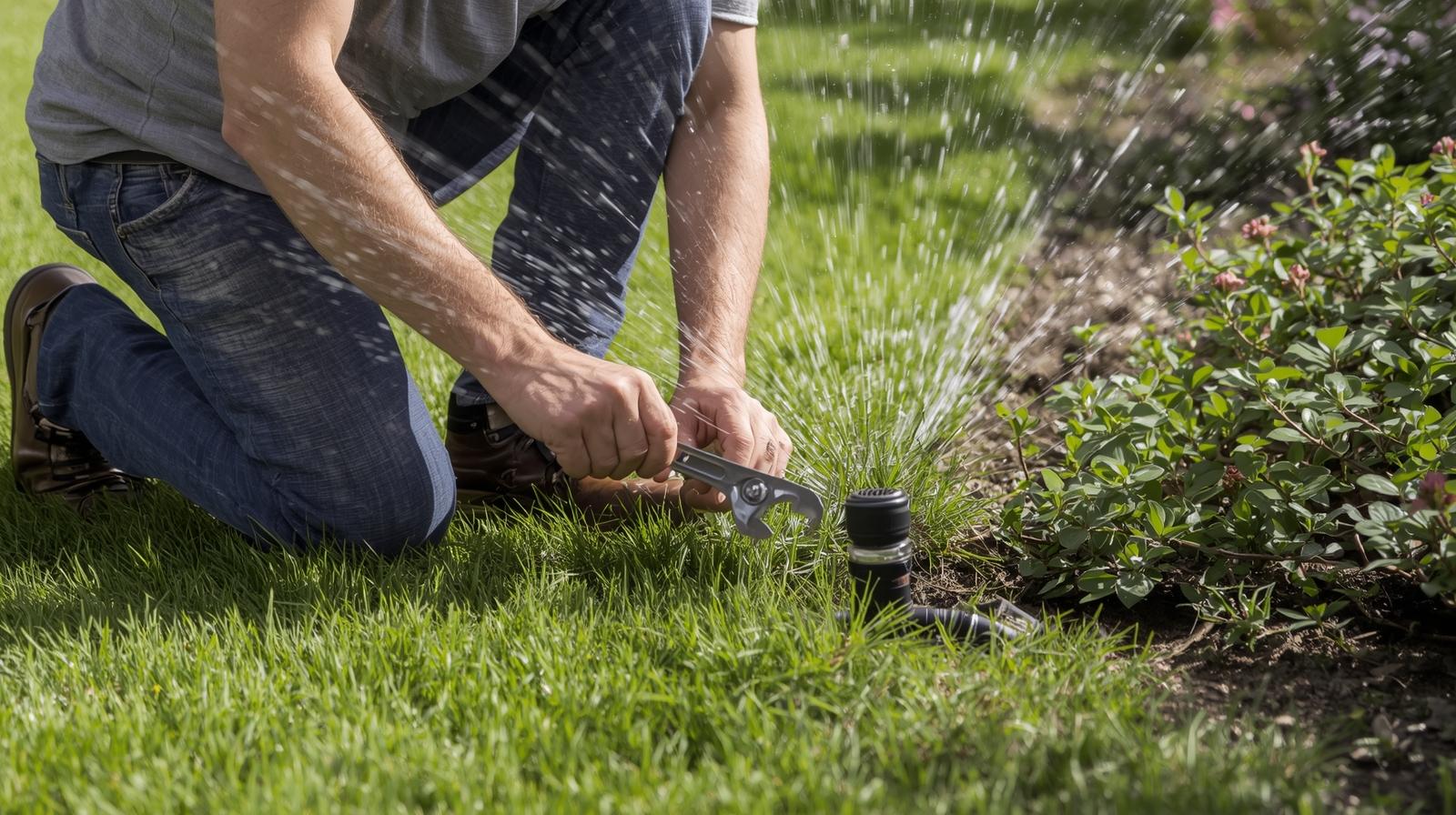
Small sprinkler problems often seem easy to fix, but early mistakes can quietly turn a simple issue into a costly one. Many homeowners jump into sprinkler system repair diy tasks without understanding how water pressure, parts, and timing work together.
A loose head or weak spray may look minor, yet the wrong repair can waste water and damage your lawn. This guide explains the most common DIY mistakes homeowners make and why avoiding them early protects your grass, soil, and irrigation investment. By understanding these errors, you can decide when a small fix is safe and when expert help saves time and money.
Ignoring Early Warning Signs in Your Sprinkler System
Sprinkler systems usually give clear signals before failing completely. Many DIY repairs go wrong because early signs are ignored or misunderstood.
Dry patches mixed with soggy areas often mean uneven water flow. This can point to clogged heads or underground leaks. Homeowners sometimes adjust timers instead of fixing the real issue. That only hides the problem.
Unusual sounds are another warning. Hissing or bubbling during watering often signals a cracked pipe. The U.S. Environmental Protection Agency (EPA) states that irrigation leaks can waste thousands of gallons each year. Ignoring these signs increases water bills and lawn stress.
Catching problems early allows for simple fixes. Waiting too long often turns a small repair into a larger project.
Using the Wrong Replacement Parts
Not all sprinkler parts work the same way. One of the most common DIY mistakes is using parts that do not match the system.
Sprinkler heads come in different spray angles, heights, and flow rates. Installing the wrong type causes uneven watering. Some areas flood while others stay dry. This harms grass roots over time.
Pipe fittings also matter. Using the wrong size or material can reduce pressure or cause leaks. Plastic and PVC parts must match existing lines exactly. The Irrigation Association warns that mismatched parts reduce system efficiency.
Choosing the correct parts keeps water flow balanced. Guessing often leads to repeat repairs and wasted effort.
Sprinkler System Repair DIY Errors That Damage Water Flow
Many homeowners attempt sprinkler system repair diy fixes that unintentionally reduce water pressure. These mistakes often affect the entire yard, not just one zone.
Over-tightening fittings is a common issue. It can crack pipes or strip threads. This creates new leaks underground. Another mistake is failing to flush lines after repairs. Dirt and debris can clog heads quickly.
Improper head alignment also hurts performance. Heads tilted even slightly spray water unevenly. This leads to dry spots and runoff.
According to University of California Agriculture and Natural Resources, proper water distribution is key to healthy lawns. Careful repairs protect pressure and coverage. Rushed fixes usually do the opposite.
Skipping Pressure and Zone Testing
Testing is often skipped during DIY repairs. This leads to incomplete fixes and hidden problems.
Each sprinkler zone operates differently. Pressure may look fine in one area but fail in another. Without testing, leaks can remain undetected underground. This wastes water every cycle.
Pressure testing also reveals valve issues. Faulty valves may not open fully. This limits water flow to certain zones. Many homeowners replace heads without checking valves first.
Professional technicians test zones and pressure before finishing repairs. This step ensures the system works as a whole. Skipping it often means repeat problems within weeks.
Overlooking Controller and Timer Settings
Sprinkler repairs are not just about pipes and heads. Controllers play a major role in system performance.
After repairs, timers often need adjustment. Many homeowners forget this step. Overwatering can stress grass and cause runoff. Under-watering leaves dry patches.
Seasonal changes matter too. The EPA WaterSense Program recommends adjusting schedules based on weather. Fixed settings year-round waste water.
Electrical issues in controllers can also affect watering. Loose wires or damaged sensors cause zones to skip cycles. DIY repairs rarely address these problems fully.
Balanced settings complete the repair process. Ignoring them limits results.
When DIY Repairs Create Bigger Lawn Problems
DIY mistakes often show up in lawn health before homeowners realize the cause. Uneven watering weakens grass roots and encourages weeds.
Overwatered areas become soft and muddy. This invites disease and pests. Dry zones turn brown and thin. These signs often trace back to poor irrigation repairs.
Soil erosion is another risk. Leaks wash away soil near foundations and walkways. Over time, this damages landscaping and hardscapes.
The EPA notes that efficient irrigation supports plant health and soil stability. Poor repairs do the opposite. Knowing when to stop DIY work prevents long-term damage.
Frequently Asked Questions
Q1: Is sprinkler system repair DIY always a bad idea?
No. Small tasks like cleaning heads or tightening loose fittings can be safe. Problems arise when repairs involve pipes, valves, or pressure. These often require professional tools and experience to avoid damage.
Q2: What is the biggest DIY sprinkler repair mistake?
Using incorrect parts is one of the biggest mistakes. Mismatched heads or fittings disrupt water flow and cause uneven coverage. This often leads to repeat issues and higher water bills.
Q3: Can DIY sprinkler repairs increase water bills?
Yes. Improper repairs often cause hidden leaks or poor pressure. The EPA reports that irrigation leaks can waste thousands of gallons yearly, raising monthly costs without improving lawn health.
Q4: How do I know when to stop DIY repairs?
If problems affect multiple zones, pressure stays low, or leaks are underground, it is time to stop. These issues usually need professional inspection and repair.
Q5: Do sprinkler mistakes affect new sod or plants?
Yes. New sod and plants need even moisture. DIY errors can drown roots or leave them dry. This slows growth and may require replacement.
Conclusion
DIY sprinkler repairs can seem simple, but early mistakes often lead to bigger problems. Ignoring warning signs, using wrong parts, or skipping testing can damage water flow and lawn health. Understanding these risks helps homeowners make smarter choices.
When issues go beyond basic fixes, choosing professional help prevents wasted time and water. For Los Angeles property owners who value long-term results, trusting sprinkler system repair diy decisions to experienced professionals makes a difference.
With over 25 years of experience, 500+ local reviews, and proven expertise in lawn installation, landscaping, and sprinkler services, RototillerGuy delivers reliable, high-quality outdoor transformations homeowners can depend on.