
 Campbell Steven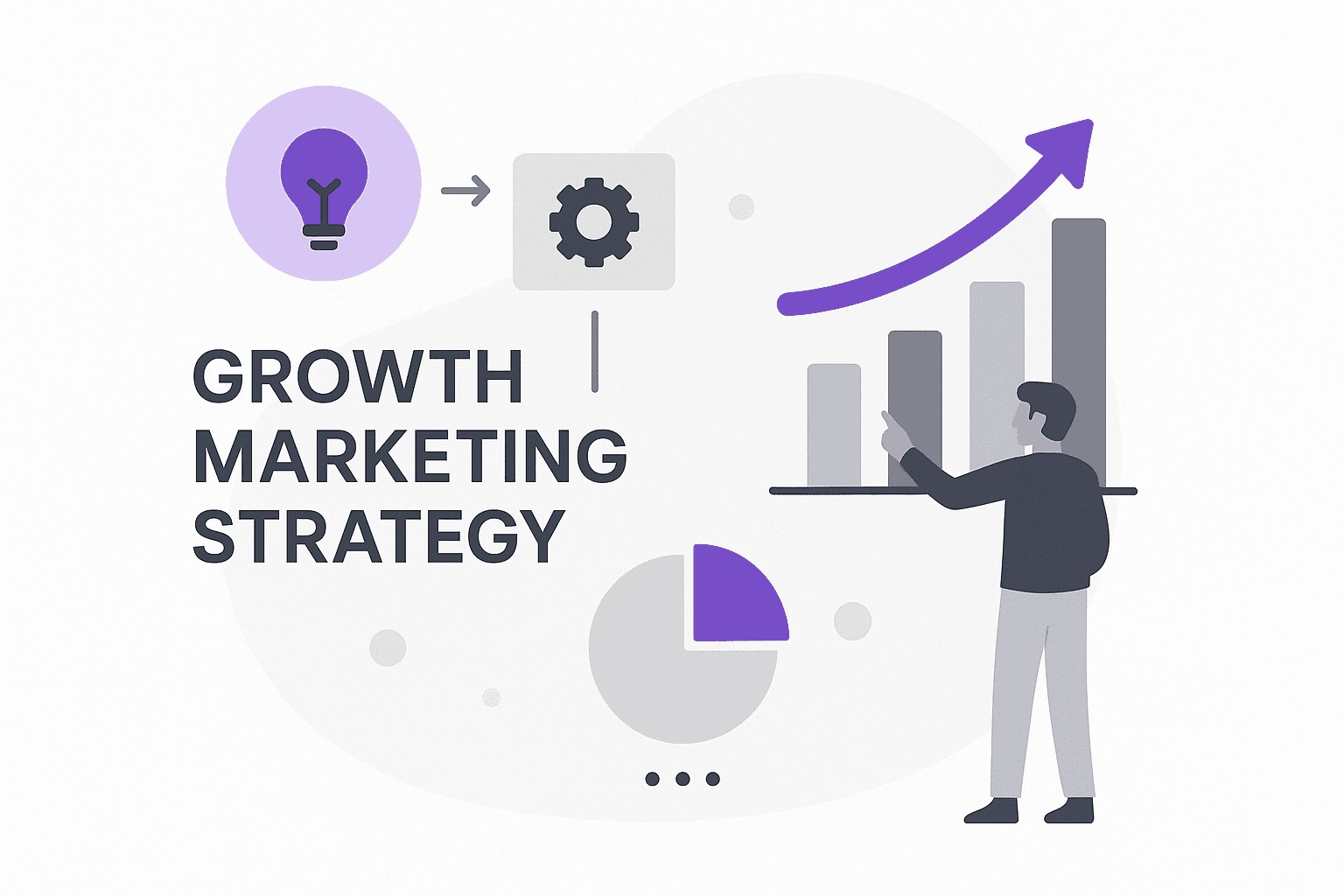
Growth marketing isn’t a buzzword — it’s a mindset. It’s the blend of curiosity, measurement, and creativity that helps a product not only find customers, but keep them. If you want to move beyond one-off campaigns and build repeatable growth, you need a toolkit of skills and a few simple frameworks to guide testing and decisions. Below I’ll walk you through the human side of growth marketing, the concrete skills to develop, and the frameworks teams use to turn guesses into wins.
What growth marketing actually does
At its heart, growth marketing focuses on the entire customer journey — from first discovery all the way to loyalty and referrals. It’s less about flashy ads and more about understanding people, running small experiments, and doubling down on what works. Clear examples and guides from practitioners show that growth marketing combines product thinking with marketing outreach to create long-term revenue gains.
The mindset: curiosity + discipline
Great growth marketers are curious. They ask “why” about everything and then run quick, low-cost tests to find answers. But curiosity alone isn’t enough — discipline matters. That means keeping a prioritized backlog of ideas, pre-defining success criteria, and measuring outcomes honestly.
Treat the first 30–90 days after any change as your learning window: test, learn, and then scale what moves the needle. Practical guides and industry pieces reinforce this test-and-learn approach as the backbone of growth.
Core skills to develop
Here are the skills you’ll actually use day-to-day:
- Customer empathy — talk to users, read reviews, and map real problems. The stories you uncover will point you to the highest-impact tests.
- Data literacy — you don’t need to be a data scientist, but you must read simple reports, understand conversion funnels, and know what success looks like.
- Experiment design — frame hypotheses clearly (if X, then Y), pick one variable, and measure results. Repeating this simple loop is how big wins start.
- Copy and creative sense — words and visuals move people. Being able to draft a crisp headline or brief a short video is a huge advantage.
- Cross-functional communication — growth marketing lives between product, engineering, and sales. Clear, human communication keeps everyone aligned.
Industry resources and job breakdowns highlight that blending analytical ability with creativity is what separates average marketers from growth marketers.
(If you want help building a tailored learning plan based on your current strengths, I can sketch one in the next message.)
Frameworks that make experiments reliable
Frameworks give structure to curiosity — here are a few simple ones:
- AARRR (Acquisition, Activation, Retention, Referral, Revenue) — map where users are dropping off and focus tests there.
- ICE (Impact, Confidence, Ease) — prioritize ideas by impact, how confident you are, and how easy it is to test.
- Pirate metrics — another name for AARRR that keeps attention on outcomes, not activity.
These frameworks are straightforward and keep teams from chasing shiny tactics that don’t move core metrics. Guides and experts frequently recommend these as starting points for growth teams.
When to hire help — agencies and specialists
Sometimes you need outside help to accelerate a specific capability, like content production or paid media setup. If your brand needs a full, strategic partner that can handle creative, analytics, and channel coordination, look for a top digital marketing agency with proven case studies and transparent reporting. The best agencies don’t promise magic — they show processes and past results.
For businesses that rely on physical footfall or local searches, partnering with a local seo agency can be a game-changer. Local specialists know how to optimize your Google Business Profile, manage reviews, and tune content so you appear in neighborhood searches — small changes that drive real traffic to your door.
Tactics that actually compound
Some tactics deliver one-time lifts; others compound over time. If you’re building for the long term, prioritize:
- Content that answers real questions — helpful guides and FAQs will keep paying dividends in search traffic.
- Email and retention loops — it’s cheaper to keep customers than acquire new ones. Small nudges and better onboarding help retention.
- Simple referral programs — satisfied customers are your best distributors. A small incentive can create steady new signups.
Many practitioners note that combining SEO-focused content with email nurture and retention experimentation produces sustained growth, not temporary spikes.
Keep it human
Numbers guide decisions, but human stories win hearts. Always include real customer quotes, show candid failures, and write like you would speak to a friend. That human touch builds trust, and trust converts.
Start small, think big
Growth marketing isn’t a silver bullet — it’s a repeatable process. Start with one clear metric, run ten experiments, and double down on the two that work. Over time, small, consistent wins add up into a reliable growth engine. The key is momentum — once you build a rhythm of testing and learning, progress becomes automatic. Even modest improvements, when repeated, can unlock major breakthroughs and long-term growth.