
 Campbell Steven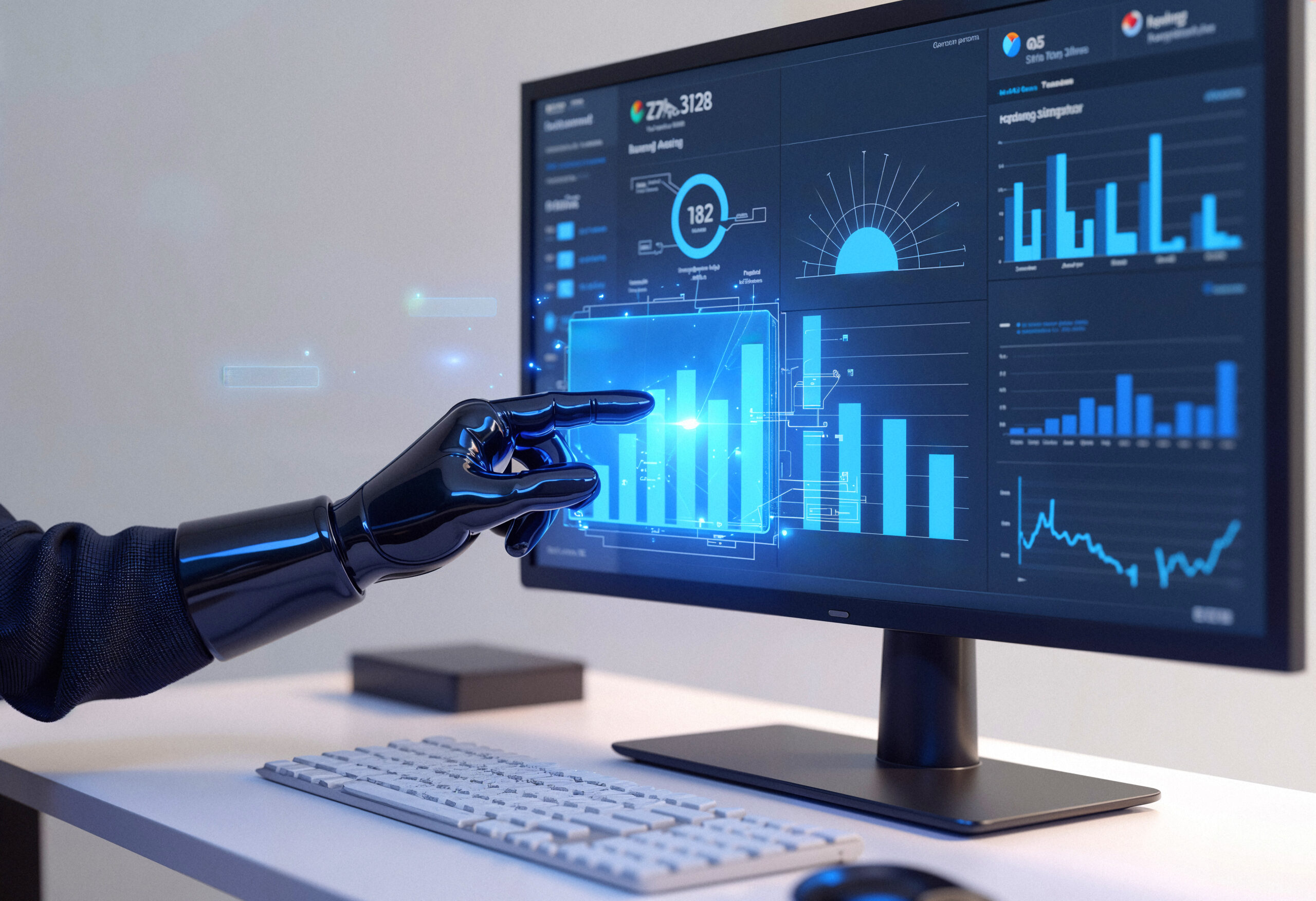
Artificial Intelligence (AI) has revolutionized numerous fields, and one of its most impactful applications is in predictive analytics. Predictive analytics leverages statistical algorithms, machine learning, and data mining to forecast future outcomes based on historical data. By integrating AI into predictive analytics, organizations can gain deeper insights, make more informed decisions, and improve their overall strategic planning. This article explores the role of artificial intelligence in predictive analytics, highlighting its applications, benefits, challenges, and future potential.
Predictive Analytics
Predictive analytics involves using data, statistical algorithms, and machine learning techniques to identify the likelihood of future outcomes based on historical data. It aims to forecast future events, trends, or behaviors, enabling organizations to anticipate changes and make proactive decisions. Key components of predictive analytics include:
- Data Collection: Gathering relevant historical data from various sources.
- Data Processing: Cleaning and preparing data for analysis.
- Model Building: Developing statistical models or machine learning algorithms to analyze data.
- Prediction: Generating forecasts or probabilities about future events.
The Integration of AI in Predictive Analytics
Artificial Intelligence enhances predictive analytics by improving the accuracy and efficiency of forecasting models. Here’s how AI plays a crucial role:
Enhanced Data Processing
AI algorithms excel at processing large volumes of data quickly and accurately. Machine learning models can handle diverse datasets, including structured, unstructured, and semi-structured data. AI-powered data processing tools can automate data cleaning, normalization, and feature extraction, ensuring that the data used for predictive analytics is of high quality and relevance.
Advanced Algorithms and Models
AI introduces advanced algorithms and machine learning models that can identify complex patterns and relationships within data. Techniques such as deep learning, neural networks, and ensemble methods enable predictive models to capture intricate trends and interactions that traditional statistical methods might miss. These advanced models improve the accuracy of predictions and provide more reliable insights.
Real-Time Analysis and Adaptation
AI enables real-time analysis and adaptation of predictive models. Machine learning algorithms can continuously learn from new data, updating their predictions as fresh information becomes available. This dynamic capability allows organizations to respond promptly to changes in trends or behaviors, making their forecasts more accurate and actionable.
Personalization and Targeting
AI-driven predictive analytics can enhance personalization and targeting in various applications. For example, in marketing, AI models can analyze customer behavior and preferences to predict future buying patterns, enabling businesses to tailor their campaigns and offers. Similarly, in healthcare, AI can predict patient outcomes and personalize treatment plans based on individual health data.
Applications of AI in Predictive Analytics
The integration of AI into predictive analytics has broad applications across different industries:
Healthcare
In healthcare, AI-powered predictive analytics can forecast disease outbreaks, predict patient admissions, and personalize treatment plans. By analyzing patient data, AI models can identify early signs of potential health issues and recommend preventive measures or interventions.
Finance
The financial sector benefits from AI-driven predictive analytics in areas such as fraud detection, risk management, and investment strategies. AI models can analyze transaction patterns to detect fraudulent activities, assess credit risk, and predict market trends, aiding in more informed financial decision-making.
Retail
Retailers use AI-based predictive analytics to optimize inventory management, forecast sales, and enhance customer experiences. By analyzing purchasing patterns and market trends, AI models can help retailers anticipate demand, reduce stockouts, and personalize marketing efforts to drive sales.
Manufacturing
In manufacturing, AI-driven predictive analytics can improve maintenance schedules, optimize supply chain management, and enhance production efficiency. Predictive models can forecast equipment failures, monitor production processes, and streamline inventory management.
Benefits of AI in Predictive Analytics
The integration of AI into predictive analytics offers several key benefits:
- Improved Accuracy: AI models can enhance the precision of predictions by identifying complex patterns and relationships in data.
- Efficiency: AI automates data processing and model updating, reducing the time and effort required for analysis.
- Real-Time Insights: AI enables real-time analysis, allowing organizations to make timely decisions based on the latest data.
- Personalization: AI-driven predictions enable more targeted and personalized strategies, improving customer engagement and satisfaction.
Challenges and Considerations
While AI offers significant advantages in predictive analytics, there are challenges to consider:
- Data Quality: The accuracy of AI models depends on the quality and relevance of the data. Ensuring data integrity and addressing issues such as missing or biased data is crucial.
- Model Complexity: AI models, particularly deep learning algorithms, can be complex and require specialized knowledge to develop and interpret. Organizations need expertise in AI and machine learning to effectively utilize these models.
- Ethical and Privacy Concerns: The use of AI in predictive analytics raises ethical and privacy issues, including concerns about data security, consent, and potential biases in decision-making.
Future Potential of AI in Predictive Analytics
The future of AI in predictive analytics holds promising potential:
- Enhanced AI Capabilities: Advances in AI technology, such as quantum computing and more sophisticated algorithms, will further improve the accuracy and efficiency of predictive models.
- Broader Applications: AI-driven predictive analytics will expand into new industries and applications, providing valuable insights and driving innovation across various sectors.
- Integration with Emerging Technologies: The integration of AI with other emerging technologies, such as the Internet of Things (IoT) and blockchain, will enhance predictive analytics capabilities and create new opportunities for data-driven decision-making.
Conclusion
The role of artificial intelligence in predictive analytics is transformative, offering enhanced data processing, advanced algorithms, real-time analysis, and personalized insights. As AI technology continues to evolve, its integration into predictive analytics will drive innovation and improve decision-making across various industries. While there are challenges to address, the benefits of AI in predictive analytics are substantial, providing organizations with powerful tools to anticipate future trends and make more informed strategic decisions.