 Campbell Steven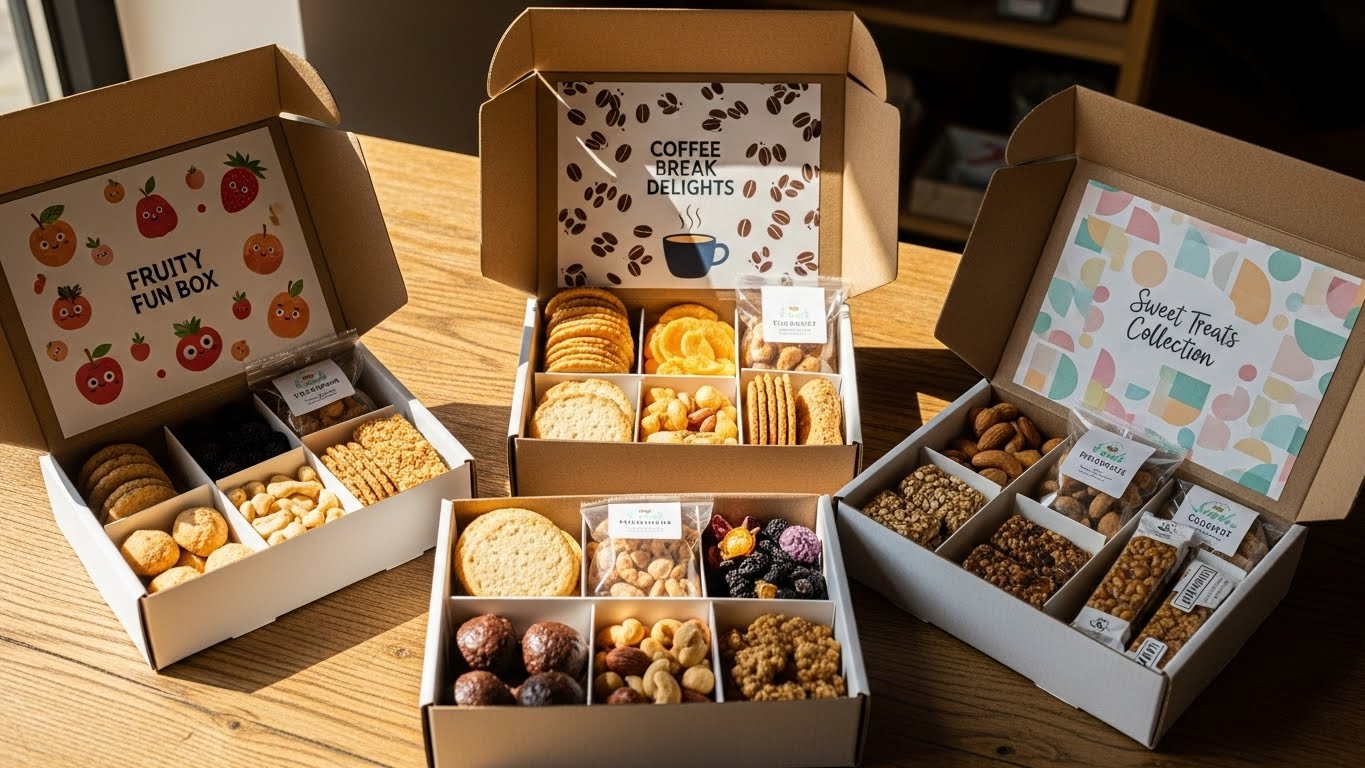
When people see food, the mind reacts before tasting. Colors, shapes, and arrangement create expectations about taste. A plate with items spaced clearly feels organized compared to items mixed. Restaurants and food brands use this to guide perception. Even simple food are arranged on plates in order, which can make people more willing to try. First impressions can change how a person feels about a food before first bite. How food looks influences choices and attention, making arrangement an important part of presentation.
Why Does Presentation Matter More Than Taste Sometimes?
Even if food tastes fine, poor arrangement can make it less appealing. Cake served on a cracked plate may taste the same as on a clean plate but will feel less inviting. Food stylists place items with spacing and order to show balance. Small details, like putting items in rows or grouping similar shapes, can change perception. Presentations can make food feel organized or structured. Restaurants spend time on arrangement as part of service. People notice appearance first, taste later, and this guides their response.
How Does Color Influence Food Choices?
Colors affect choices even when people are unaware. Red and yellow can increase attention while darker colors may suggest heaviness. Certain colors are used in food to guide perception. A mix of different fruits can feel varied while a single color may seem plain. Color in food can signal type or order. Food brands consider color when making packaging or arranging items. Even homemade food with clear contrast between items can seem more inviting. Color is one way the mind interprets taste and quality before first bite.
What Role Does Texture Play in How We Perceive Food?
Texture affects how people perceive food. Crunchy, soft, or firm textures create different expectations. Crisp sandwiches feel different from soft ones. Food stylists layer textures to make items clear and distinct. Placing firm topping over the soft base shows layers. People link visible texture with quality or freshness. Arrangement focuses on showing textures clearly, which can guide attention and interest.
How Do Plating Styles Affect Consumer Experience?
Plating style changes how people respond to food. Plates with enough space between items feel organized while crowded plates feel unplanned. Different arrangements can suggest order or casual style. Food brands adjust plating to fit the type of food or customer. A burger with sides placed separately feels different than a burger wrapped together. Plating style helps guide experience from seeing to tasting, influencing how food is perceived overall.
Can Food Packaging Influence How We Taste Food?
Packaging affects perception before food is opened. Items in structured packaging feel organized. This is why snack gift boxes are often used. A small box with individual sections guides attention and expectation. Companies like Packlim offer custom boxes to help brands arrange products clearly. Packaging creates a first impression about organization, which affects how people feel about items inside.
How Do Food Trends Affect Styling Decisions?
Trends affect arrangement and presentation. Minimal layouts, layered items, and clear sections are often followed. Chefs and brands follow trends because consumers respond to arrangement patterns. food arranged according to trends gain more attention or interest. Styling helps food feel current and structured. Trend-based arrangements influence choices and attention, impacting purchase decisions.
How Does Storytelling Connect With Food Styling?
Food can tell a story through arrangement. Bakery may arrange items to suggest routine or type of food. Seasonal items or layouts can guide perception and memory. Storytelling through styling creates a link between experience and product. Using packaging products, brands can guide presentations in custom boxes, helping consumers remember items and connect with the brand.
Why Do Customers Value Customization in Food Packaging?
Customized packaging makes products distinct. Box or wrapper that fits product specifically can guide the perception of order. Businesses using custom food boxes from packaging present items clearly. Custom packaging communicates structure and organization. Consumers respond to customized packaging by paying more attention or valuing products more. Customization helps guide perception beyond taste.
How Can Modern Styling Increase Consumer Engagement?
Engagement comes from seeing and handling food clearly. Styled food encourages people to examine and share experiences. Food in custom boxes from Packlim create a structured experience. Consumers enjoy opening and exploring items. Structured presentation leads to more interest, memory, and repeat interaction. Arrangement creates clarity that guides attention and perception.
Final Words
Packaging influences food perception by creating an initial impression of order and quality, guiding consumers before tasting. Stylish, organized food presentation and color choices affect expectations and attractiveness. Textures and plating styles enhance sensory anticipation. Trendy, customized packaging and storytelling deepen emotional connections, increasing engagement. Modern food styling not only shapes taste perception but drives consumer interest, loyalty, and repeat interactions by combining visual appeal with experiential value.