 Campbell Steven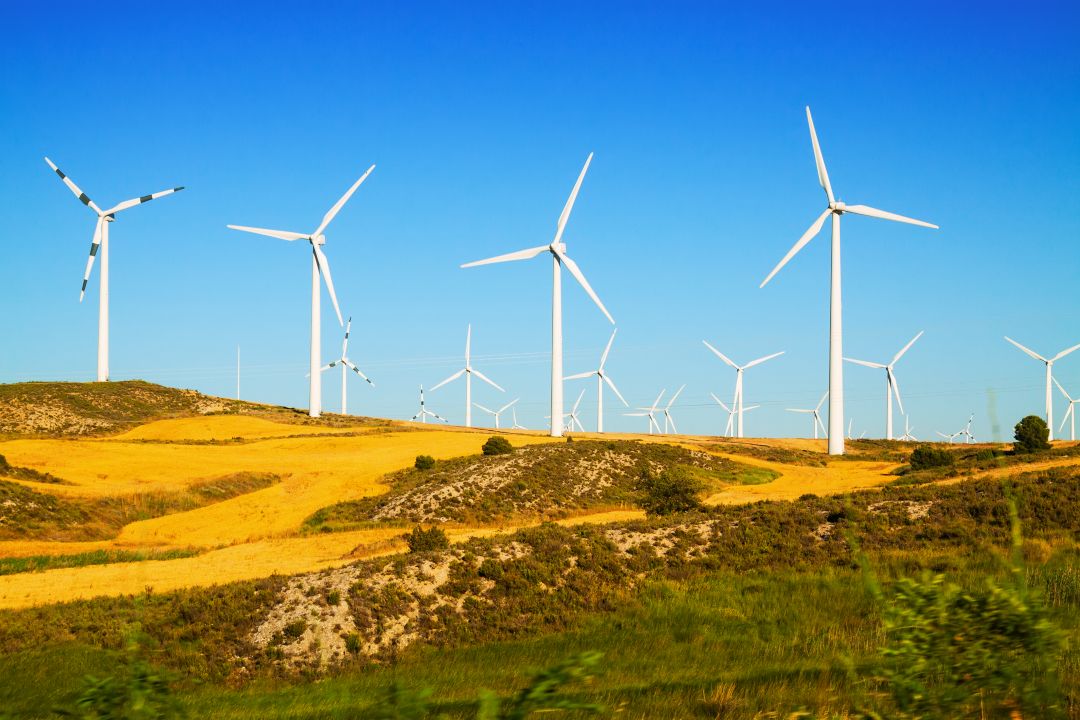
Wind energy projects in Ireland often face delays due to planning rules, grid limits, and site-related risks. These challenges can increase costs or slow progress when not addressed early. Turbines Ireland solves these problems by using practical assessments and clear project planning from the start.
Each project is shaped around real site conditions, not assumptions. This approach improves approval success and long-term performance. According to SEAI, properly planned wind projects deliver stronger output and lower lifetime energy costs. By addressing common challenges early, wind projects stay reliable, compliant, and financially viable.
Managing Site and Wind Resource Challenges
Every wind project depends on accurate site and wind data. Weak assessment often leads to underperforming turbines or redesigns later. Early analysis helps reduce this risk and improves long-term output.
Wind speed, direction, and seasonal variation are reviewed using trusted data sources. Terrain, access routes, and soil conditions are also assessed. These factors help decide turbine height, spacing, and layout.
Ireland’s wind conditions vary by region. Coastal sites behave differently from inland farms or uplands. Tailoring designs to local wind patterns improves efficiency and planning success.
Turbines Ireland and Planning Approval Issues
Planning approval remains one of the biggest challenges for wind projects in Ireland. Many proposals fail due to poor documentation or missed local requirements. Early alignment with planning rules is critical.
Turbines Ireland designs projects to match county development plans from the start. Noise limits, visual impact, and setback distances are carefully considered. This reduces objections during the review stage.
Clear and accurate reports help local authorities assess applications faster. Strong preparation often shortens approval timelines. It also builds trust with planners and communities.
Overcoming Grid Connection and Export Limits
Grid access can limit wind project output more than wind availability. Many sites face export caps or long connection waits. Early grid assessment helps avoid these issues.
Available capacity is reviewed before turbine selection. Output levels are matched to real grid limits. This reduces the risk of rejected or delayed applications.
Coordination with ESB Networks and EirGrid supports smoother approvals. Some projects also use partial export or on-site energy use. These options improve viability when grid access is limited.
Controlling Costs and Financial Risks
Uncontrolled costs can stop a wind project before construction begins. Clear budgeting helps keep projects realistic and bankable. Cost planning starts early.
Turbine selection balances price and performance. Both new and refurbished turbines are considered. Refurbished units often reduce upfront costs while meeting EU standards.
Civil works, transport, and crane needs are planned in advance. Phased development also reduces early financial pressure. This approach supports steady project growth.
Installation and Construction Challenges
Construction issues often arise from poor coordination. Wind projects require careful timing and safety planning. Strong management reduces delays and risk.
Transport routes are checked for turbine components. Crane access and foundation work are prepared early. This avoids last-minute changes.
Installation follows Irish health and safety rules. Work schedules reduce disruption to farms and businesses. Proper delivery protects turbine lifespan.
Long-Term Performance and Maintenance Risks
Wind turbines are long-term assets that need consistent care. Poor maintenance reduces output and revenue over time. Early planning protects performance.
Routine inspections check blades, controls, and key components. Performance monitoring tracks energy output trends. Drops in output trigger early action.
SEAI data shows maintained turbines deliver higher lifetime returns. Ongoing support extends turbine life. It also protects long-term income.
Environmental and Community Concerns
Environmental impact is a common concern for wind projects. Addressing this early improves acceptance. Careful design helps reduce conflict.
Wildlife, noise, and shadow flicker are assessed during planning. Turbine placement aims to stay well within legal limits. This reduces objection risk.
Clear communication builds trust with local communities. Well-designed projects often progress faster. Respect for people and nature supports approval.
Frequently Asked Questions
Q1: What is the biggest wind project challenge in Ireland?
Planning approval and grid connection are the most common challenges. These issues often cause delays if site data or applications are weak. Early assessment helps reduce both risks.
Q2: Can grid limits stop a wind project?
Grid limits do not always stop a project. Turbine size, partial export, or on-site energy use can keep projects viable. Early grid checks are key.
Q3: Are refurbished turbines reliable for long-term use?
Yes, quality refurbished turbines meet EU performance standards. They offer lower upfront costs and reliable output when properly serviced.
Q4: How long does a wind project usually take in Ireland?
Most wind projects take between 12 and 24 months. Timelines depend on planning approval and grid connection stages.
Q5: Can wind projects expand after installation?
Yes, many projects are designed for future expansion. Early layout and grid planning allow turbines to be added or upgraded later.
Conclusion
To conclude, investing in wind energy is a long-term decision that depends on accurate planning, reliable installation, and consistent performance over time.
In Ireland’s renewable energy landscape, projects deliver stronger results when supported by experienced providers who understand site conditions, compliance requirements, and scalable turbine deployment.
Turbines Ireland reflects this approach by focusing on practical assessments and professionally managed wind solutions that align with national sustainability goals. This experience-led model often helps projects achieve better efficiency, long-term value, and dependable clean energy output.