 Campbell Steven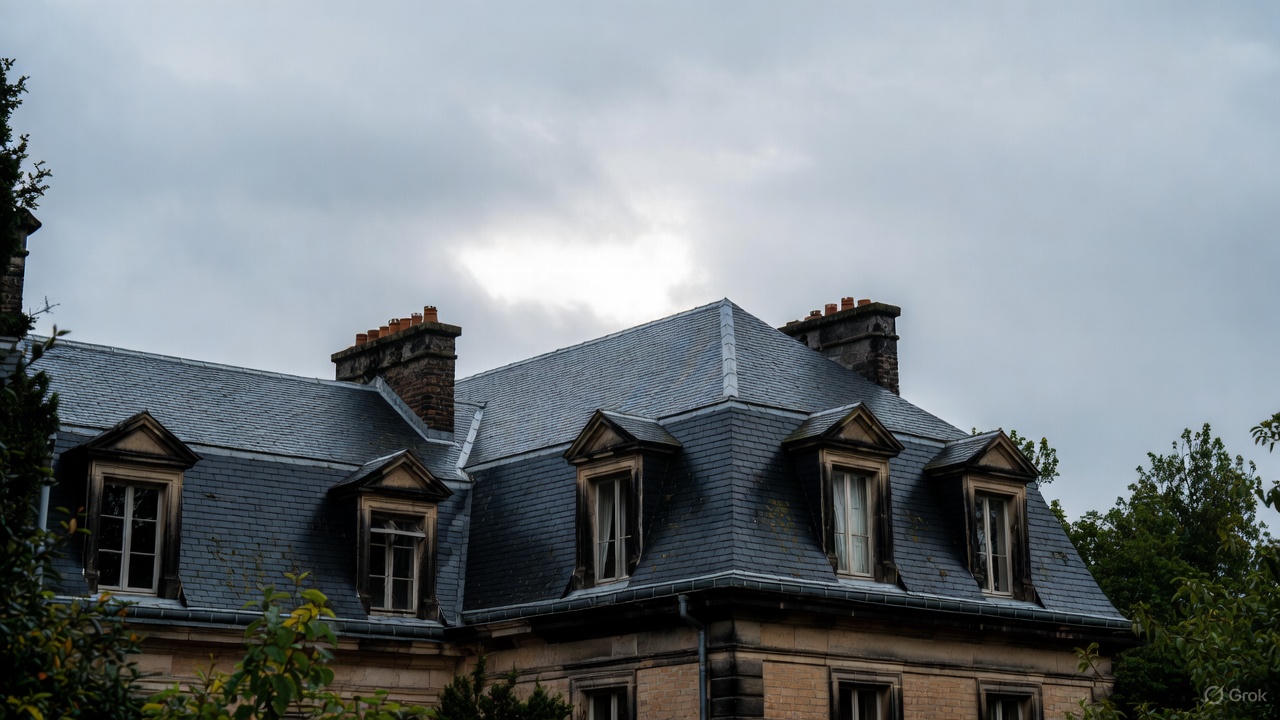
Mansard Roof Cost: Complete Guide to Materials, Labor, and Installation
When it comes to mansard roof cost, there’s a lot more involved than simply calculating square footage. I’ve managed numerous projects—from historic townhouses with convex mansard roofs to modern mansard flat roof designs—and every job has reinforced one truth: attention to detail, choice of materials, and proper labor all dramatically impact both cost and longevity.
One memorable project involved a century-old mansard roof with sagging lower slopes. The homeowner assumed replacing shingles was enough. After careful inspection, we found that the deck required reinforcement and the curved convex slopes needed custom framing. The added labor and materials increased the initial mansard roof cost, but the result was a structurally sound, elegant roof that would last decades.
What Is a Mansard Roof?
For homeowners unfamiliar with architectural terminology, what is a mansard roof? A mansard roof is a four-sided roof with two slopes on each side—the lower slope steep and the upper shallow. This design creates more usable attic or upper-floor space and adds distinctive elegance to a building.
Mansard roof types vary from traditional straight-sided designs to convex or flared versions. Each variation influences materials and labor requirements. Convex mansards, for instance, demand precise curvature framing and custom shingles or tiles, which can increase overall costs significantly.
Factors Influencing Mansard Roof Cost
Several elements affect mansard roof cost, and understanding them helps homeowners plan realistically:
-
Roof Size and Pitch – Larger roofs or steeper pitches increase labor time and material requirements.
-
Materials – Asphalt shingles are economical, while slate, copper, or custom shingles dramatically raise costs.
-
Labor – Skilled roofing contractors charge more, but their expertise ensures correct installation, especially for complex designs like convex mansard roofs.
-
Roof Deck Condition – Older roofs may require deck repair or replacement, adding to total expenses.
-
Roof Features – Dormers, chimneys, and skylights require additional flashing and detailing.
I recall a historic townhouse where ignoring deck reinforcement during a mansard replacement led to warped shingles and water intrusion. Investing upfront in skilled labor prevented repeated repairs and lowered long-term maintenance costs.
Material Options and Their Costs
Mansard roofs can be finished with a variety of materials, each with distinct cost implications:
-
Asphalt Shingles – Affordable, easy to install, but less durable on convex slopes.
-
Slate Tiles – Long-lasting, elegant, and ideal for historic homes, but labor-intensive and heavy.
-
Metal Roofing – Lightweight, durable, and suitable for both straight and convex mansard roofs.
-
Synthetic Materials – Mimic slate or tile aesthetics while reducing weight and cost.
For one convex mansard roof I installed, we opted for synthetic slate. It allowed accurate curvature fitting without excessive labor while maintaining an upscale appearance. The initial mansard roof cost was slightly higher than asphalt, but installation time was cut by nearly 30%, saving overall budget.
Labor and Installation Costs
Mansard roof installation is labor-intensive, especially for multi-level or convex designs. Proper framing, underlayment, and shingle alignment are critical. Experienced crews ensure:
-
Correct slope alignment and load distribution
-
Seamless integration with dormers and chimneys
-
Proper waterproofing of edges and valleys
Labor typically accounts for 40–60% of mansard roof cost. Cutting corners on labor can result in leaks, warped shingles, or structural issues. I’ve seen DIY attempts on mansard roofs fail within a few years, leading to expensive corrective work.
Mansard Flat Roof Considerations
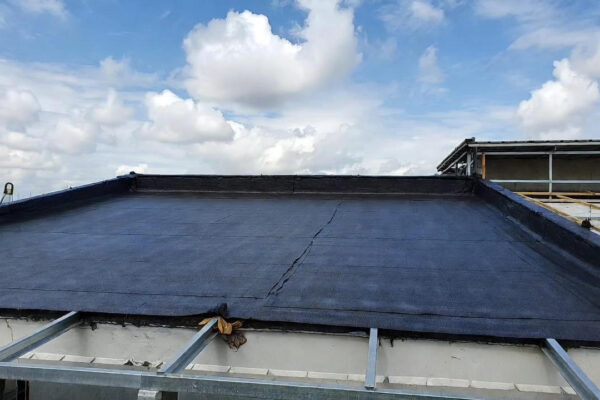
Some mansard designs include mansard flat roof elements, often used on the upper shallow slopes. These sections are generally easier to cover with modern flat roofing materials like EPDM or TPO. However, even these require careful detailing to prevent water pooling and ensure long-term durability. Proper integration between the flat and steep slopes is critical for avoiding leaks.
On one project, we used a reinforced membrane on the flat portion, seamlessly tying it to the steep slopes. This small detail added to initial mansard roof cost, but it prevented recurring maintenance and leaks for the next decade.
Additional Features Affecting Cost
Features that influence mansard roof cost include:
-
Dormers – More intricate flashing and detailing
-
Skylights – Require precise waterproofing
-
Custom Curves – Convex mansard roofs demand skilled labor and material shaping
-
Gutters and Drainage – Proper water management is critical to prevent damage
When budgeting for a mansard roof, it’s important to consider these extras. Skipping them may reduce upfront costs but lead to higher maintenance later.
Case Study: Historic Townhouse
A client owned a 120-year-old townhouse with a convex mansard roof. Initial estimates for a simple replacement were low, but after inspection, we discovered:
-
Rotting deck boards
-
Custom curved shingles required
-
Multiple dormers needing flashing
-
A small flat roof section at the top
The mansard roof cost for the full project reached $72,000, but the outcome was a watertight, visually stunning roof that retained the building’s historic charm. This example illustrates why experienced assessment is crucial for accurate budgeting.
Tips to Manage Mansard Roof Cost
-
Choose materials wisely – Balance aesthetics, durability, and cost.
-
Hire skilled professionals – Expertise prevents errors that lead to expensive repairs.
-
Inspect before replacing – Assess deck and structural integrity to avoid surprises.
-
Consider staged replacements – Sometimes replacing sections over time helps manage budget.
From my experience, investing in quality materials and labor upfront almost always saves money over the long term.
Conclusion
Mansard roof cost depends on size, materials, labor, roof type, and additional features. Whether it’s a traditional mansard roof, a convex design, or a mansard flat roof section, careful planning, professional expertise, and quality materials ensure a long-lasting, elegant result.
I’ve seen countless projects where proper preparation and skilled installation prevented headaches and costly repairs. A well-executed mansard roof not only enhances curb appeal but also adds significant value to a home while ensuring decades of reliable performance.