 Campbell Steven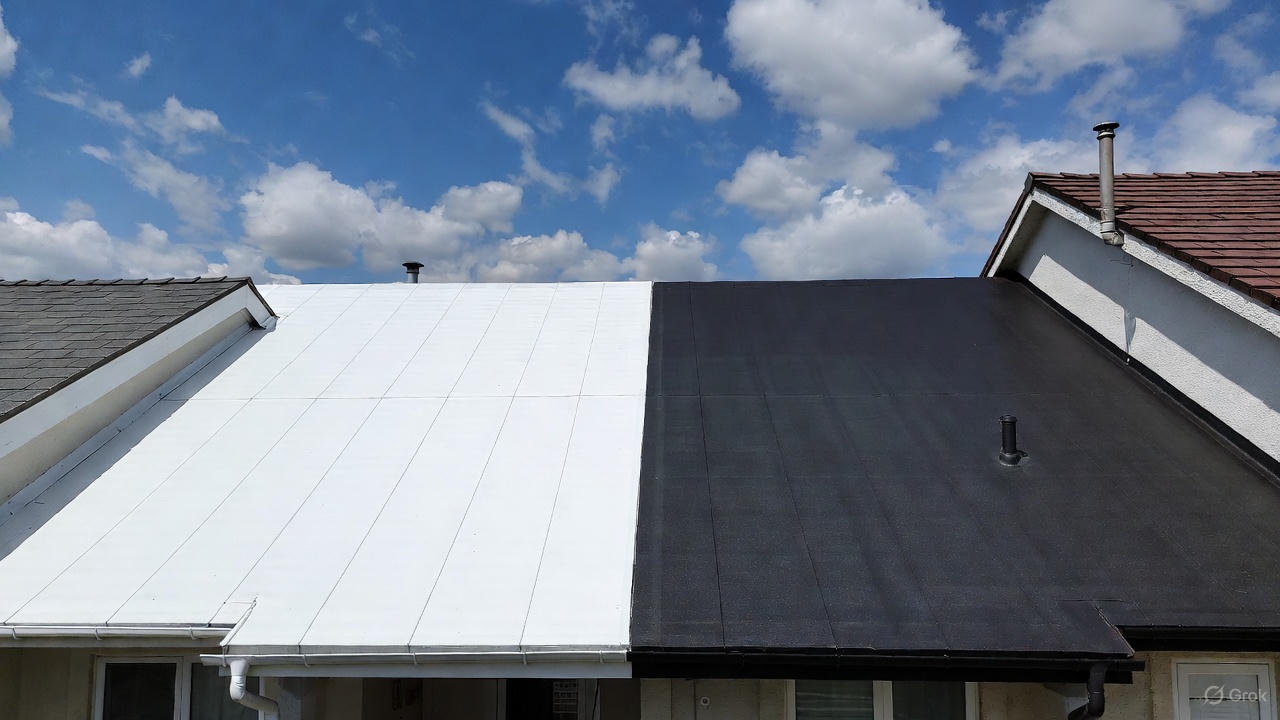
PVC vs EPDM Roofing Systems for Commercial and Residential Buildings
I’ve spent years walking flat roofs with a moisture scanner in one hand and a clipboard in the other. That’s where the debate around PVC vs EPDM Roofing stops being theoretical and starts becoming very real.
Water doesn’t care about brand loyalty.
Why the PVC vs EPDM Roofing Debate Matters
Choosing between PVC and EPDM roofing isn’t about trends. It’s about performance over decades, not just install day.
I’ve removed both systems after failure, and I’ve also maintained both long after warranties expired.
That contrast teaches you quickly.
Understanding Rubber Roof Types from the Field
When people talk about rubber roof types, they usually lump everything together. That’s a mistake.
Types of rubber roofing behave very differently depending on chemistry, seams, and exposure.
PVC and EPDM may look similar from the ground.
Up close, they’re not.
What EPDM Roofing Really Is
EPDM is a synthetic rubber membrane, usually black, sometimes white, and almost always fully adhered or ballasted.
It’s flexible. Extremely flexible.
I’ve installed EPDM in cold weather where other materials would crack instantly.
That elasticity is its biggest strength.
The Reality of EPDM Seams
EPDM seams rely on tapes and adhesives.
Early in my career, I trusted those seams too much.
After five to seven years, especially in high heat, seam failures became predictable.
Not catastrophic, but persistent.
What PVC Roofing Brings to the Table
PVC roofing is a thermoplastic membrane with heat-welded seams.
That welding process chemically fuses sheets together.
I’ve peeled test seams that tore the membrane before the weld failed.
That’s not marketing.
That’s physics.
PVC vs EPDM Roofing: Durability in Practice
In direct comparison, PVC handles chemicals, grease, and UV exposure far better.
EPDM handles extreme movement and cold better.
On restaurants, I specify PVC every time.
On warehouses with massive expansion joints, EPDM still earns its place.
Cost Isn’t the Whole Story
EPDM usually costs less upfront.
PVC costs more, but not dramatically more anymore.
When I calculate lifecycle costs—repairs, downtime, energy efficiency—PVC often wins.
That surprises clients.
It shouldn’t.
Energy Efficiency and Reflectivity
White PVC membranes reflect sunlight aggressively.
I’ve measured rooftop surface temperatures personally.
PVC runs dramatically cooler than black EPDM in summer.
That matters for HVAC loads.
Owners notice the difference fast.
PVC vs Rubber Roofing: Clearing the Confusion
Clients often ask about PVC vs rubber roofing, assuming PVC isn’t rubber.
In practice, PVC behaves like rubber but installs like plastic.
That hybrid nature is why it performs so consistently.
EPDM is pure rubber.
Different strengths. Different weaknesses.
Where EPDM Still Excels
EPDM shines on large, simple roof layouts.
Few penetrations. Minimal detailing.
Its flexibility allows it to handle building movement beautifully.
I’ve seen 20-year-old EPDM roofs still watertight.
They exist.
Where PVC Clearly Wins
PVC dominates in complex roofs.
Multiple drains. Equipment pads. Exhausts.
Heat-welded seams reduce failure points drastically.
In my experience, callbacks drop sharply with PVC.
That alone sells it to property managers.
TPO vs EPDM vs PVC: The Middle Ground
The tpo vs epdm vs pvc debate always comes up eventually.
TPO sits between EPDM and PVC in price and performance.
I use TPO when budgets are tight but reflectivity is required.
PVC still outperforms it long-term.
PVC vs TPO vs EPDM RV Roof Considerations
RV roofing is a different beast entirely.
In pvc vs tpo vs epdm rv roof comparisons, weight and flexibility dominate decisions.
EPDM remains popular in RVs for flexibility.
PVC is gaining ground due to seam strength.
I’ve repaired all three on RVs.
PVC repairs age the best.
Installation Quality Trumps Material Choice
Here’s the uncomfortable truth.
A poorly installed PVC roof fails faster than a well-installed EPDM roof.
I’ve fixed bad welds, loose edges, and rushed details on premium systems.
Installer experience matters more than brochures.
Always.
Case Study: Retail Plaza Retrofit
A retail plaza I consulted on had chronic leaks with aged EPDM.
We replaced it with PVC in phases.
Five years later, zero leak reports.
Maintenance costs dropped sharply.
The owner now standardizes PVC.
Case Study: Cold-Climate Distribution Center
In a cold-region warehouse, PVC became brittle at details due to improper specification.
We switched to EPDM on expansion zones.
Problem solved.
Material selection must match environment.
Always.
Maintenance Reality Check
EPDM requires seam inspections regularly.
PVC requires weld inspections, but far less often.
Neither system is “maintenance-free.”
Anyone claiming that hasn’t managed a roof portfolio.
Sustainability and Modern Roofing
Both systems are improving environmentally.
PVC now includes recycled content.
EPDM is recyclable and long-lasting.
From a sustainability standpoint, longevity still matters most.
Replacing roofs less often helps the planet.
Actionable Advice from the Field
Don’t choose roofing based on price alone
Inspect seam samples before approval
Match material to roof complexity
Demand certified installers
These steps prevent regret.
I follow them myself.
How Rubber Roof Types Impact Building Use
Different rubber roof types suit different buildings.
Schools benefit from reflective PVC.
Warehouses tolerate EPDM well.
Commercial kitchens demand PVC.
There’s no universal winner.
Only smart choices.
Final Verdict on PVC vs EPDM Roofing
The PVC vs EPDM Roofing decision isn’t emotional.
It’s situational.
PVC offers superior seam strength, chemical resistance, and energy efficiency.
EPDM offers flexibility, cold tolerance, and proven longevity.
I recommend both—when used correctly.