 Campbell Steven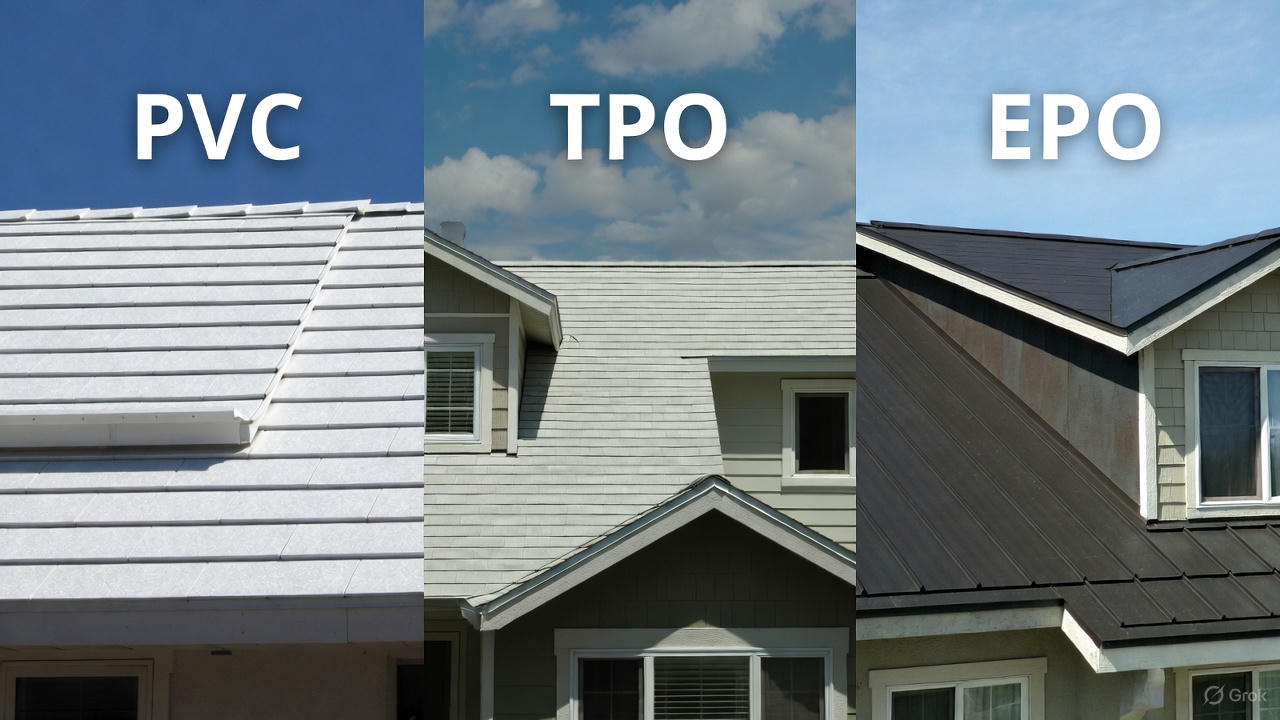
I’ve spent years climbing onto RV roofs in every condition imaginable.
Hot deserts, coastal humidity, frozen mornings, and roofs baked brittle by neglect.
That hands-on time shapes how I view the PVC vs TPO vs EPDM RV roof debate.
This isn’t theory.
This is what actually holds up when the miles add up.
Understanding RV Rubber Roof Types
Most RVs use single-ply membranes.
They flex, expand, and absorb vibration far better than rigid materials.
These materials fall under rubber roof types, even when they’re not true rubber.
Understanding the types of rubber roofing is the first step toward choosing wisely.
EPDM RV Roofing: The Old Reliable
EPDM is still the most common RV roof.
I’ve repaired more EPDM roofs than I can count.
It’s forgiving.
That matters when an RV twists on uneven ground.
EPDM Strengths in Real Use
EPDM handles movement exceptionally well.
That flexibility prevents cracking over time.
It’s also easy to repair.
A simple patch can buy years of service.
EPDM Weaknesses to Know
EPDM absorbs heat aggressively.
That increases interior temperatures.
It also chalks as it ages.
Regular cleaning becomes necessary.
TPO RV Roofing: Cleaner and Cooler
TPO gained popularity fast.
I saw it replace EPDM on many newer RVs.
Manufacturers liked its bright surface.
Owners liked cooler interiors.
TPO Advantages on the Road
TPO reflects heat effectively.
That matters in southern climates.
Seams are heat-welded.
When done right, they’re strong.
TPO Problems I’ve Personally Seen
Early TPO formulations cracked prematurely.
Some still do.
Weld quality varies wildly.
Bad seams cause hidden leaks.
PVC RV Roofing: The Premium Option
PVC is less common on RVs.
But when used, it performs impressively.
I’ve seen PVC roofs survive full-time RV living without complaint.
That’s rare.
PVC Strengths in RV Applications
PVC resists chemicals and UV exceptionally well.
It also handles ponding water better.
Seams are welded permanently.
That reduces long-term leak risk.
PVC Downsides to Consider
PVC costs more upfront.
Repairs require specialized tools.
Cold-weather installation can be tricky.
Experience matters here.
PVC vs EPDM Roofing: RV Perspective
This comparison comes up constantly.
Both are flexible, but behavior differs.
PVC vs EPDM roofing boils down to environment.
EPDM tolerates movement better.
PVC tolerates exposure better.
Sun, grease, and standing water favor PVC.
TPO vs EPDM vs PVC: Side-by-Side Reality
I’ve maintained RV fleets with all three materials.
Patterns emerge quickly.
Durability ranking (real-world):
-
PVC
-
EPDM
-
TPO
Ease of repair:
-
EPDM
-
TPO
-
PVC
No material wins every category.
Cost Comparison for RV Owners
Upfront cost matters.
So does lifetime cost.
Average cost expectations:
-
EPDM: Lowest
-
TPO: Mid-range
-
PVC: Highest
Long-term, PVC often evens out.
Fewer repairs change the math.
Performance Under Constant Travel
Movement destroys weak roofs.
I’ve seen it firsthand.
EPDM stretches naturally.
PVC flexes well but resists abrasion.
TPO is less forgiving.
Repeated flexing stresses seams.
Climate Matters More Than Material
Hot climates punish dark roofs.
Cold climates punish rigid membranes.
I always ask where the RV travels most.
That answer determines the recommendation.
Environment beats marketing claims every time.
PVC vs Rubber Roofing: Clearing Confusion
People often ask about PVC vs rubber roofing.
PVC isn’t rubber in the traditional sense.
But performance matters more than labels.
PVC behaves like an upgraded rubber membrane.
That’s why it’s included in rubber roof types.
Maintenance Differences That Add Up
EPDM needs frequent cleaning.
Neglect shortens lifespan fast.
TPO needs seam inspections.
Weld failures aren’t always visible.
PVC needs less attention.
But inspections still matter.
Case Study: Full-Time RV Living
One client lived full-time in a fifth wheel.
EPDM failed after 12 years.
We replaced it with PVC.
Sixteen years later, it’s still watertight.
Usage changed the outcome.
Choosing the Right RV Roof Material
Here’s my practical advice.
Choose EPDM if:
-
You DIY repairs
-
Budget is tight
-
Travel involves uneven terrain
Choose TPO if:
-
Heat reflection matters
-
You trust manufacturer quality
-
Travel is moderate
Choose PVC if:
-
You live full-time in the RV
-
Exposure is extreme
-
Longevity matters most