
 Campbell Steven
If your nose feels like a clogged traffic jam full of pressure, post-nasal drip, sneezes, or that scratchy allergy glare a simple, science-backed habit can bring relief: nasal irrigation. In particular, a good Sinus Irrigation Machine To Make Nasal Clean can turn a frustrating morning into one where you actually breathe through your nose. Below is a friendly, practical guide that explains why nasal irrigation works, how machines compare to old-school methods, how to do it safely, and how to pick the right device for your needs.
What is Nasal Irrigation & Why It Helps
Nasal irrigation (also called sinus rinse or nasal lavage) is the process of flushing the nasal passages with a mild saline solution to remove mucus, pollen, dust, and irritants. It helps by physically clearing the nasal cavity so cilia (the tiny cleaning hairs) can do their job; it also thins thick mucus, reduces swelling, and can improve drainage from the sinuses. Clinical guidance and ENT resources show saline irrigation can reduce symptoms and medication needs for people with acute or chronic sinusitis and is helpful for allergies and colds.
Why Choose a Machine Over a Neti Pot or Spray?
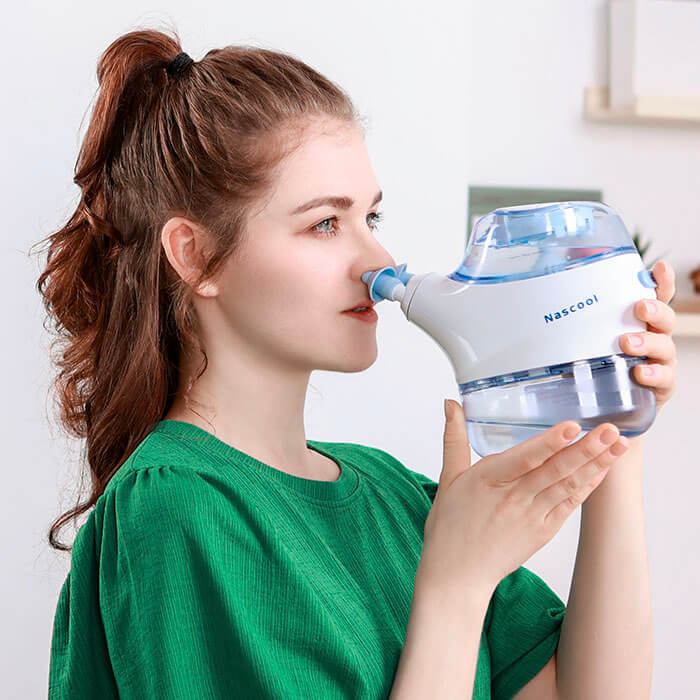 There are several ways to rinse your nose: neti pots (manual ceramic teapots), squeeze bottles, saline sprays, and powered sinus irrigation machines (electric irrigators). Machines can:
- Deliver a continuous, controlled stream or gentle pulsation for deeper, more consistent irrigation than a manual pour.
- Be easier for people who struggle with tilting their head or controlling squeeze pressure.
- Support larger volumes for thorough flushing (handy for chronic sinusitis or post op care).
That said, manual methods work well for many, and the best choice often comes down to comfort and consistency. Mayo Clinic and other clinical sources note that neti pots and bottle syringes remain effective when used correctly.
Key Safety Rules Non-Negotiable
The most important rule about nasal rinsing is this:
Use Safe Water:
Do not use straight tap water for nasal irrigation because it can contain organisms (including rare but serious amoebae) that are safe to swallow but dangerous in your nose. Always use distilled, sterile, or previously boiled and cooled water. The U.S. CDC and FDA explicitly warn about this to prevent rare infections (including amoebic infections).
Other safety tips:
- Use the right saline mix: most guidance recommends an isotonic solution (~0.9% sodium chloride) or slightly hypertonic solutions for certain cases; products and ENT guidance commonly use 0.9% as physiologic.
- Never share irrigation devices.
- Clean and dry your device between uses according to the manufacturer’s instructions.
- Stop and check with a clinician if you have severe ear pain, bloody nasal discharge, high fever, or if symptoms worsen.
How to Prepare a Safe Saline Solution at Home
If you prefer DIY saline (many people do), here’s a tried-and-true recipe used by many clinics:
- Boil 1 liter (about 4 cups) of tap water for 1 minute (3 minutes at high altitudes), then let it cool to lukewarm. Alternatively, use distilled/sterile water straight from the bottle.
- For an isotonic solution: add about 9 grams of non-iodized salt (about 1.5 teaspoons) per liter. Some recipes add a pinch (≈½ tsp) of baking soda (sodium bicarbonate) to buffer the solution and make it gentler.
- Mix until dissolved, pour into your device, and use at a comfortable lukewarm temperature.
If you prefer convenience, pre-measured saline packets or ready-to-use sterile saline bottles are widely available and remove the guesswork.
Step-By-Step: Using a Sinus Irrigation Machine Safely
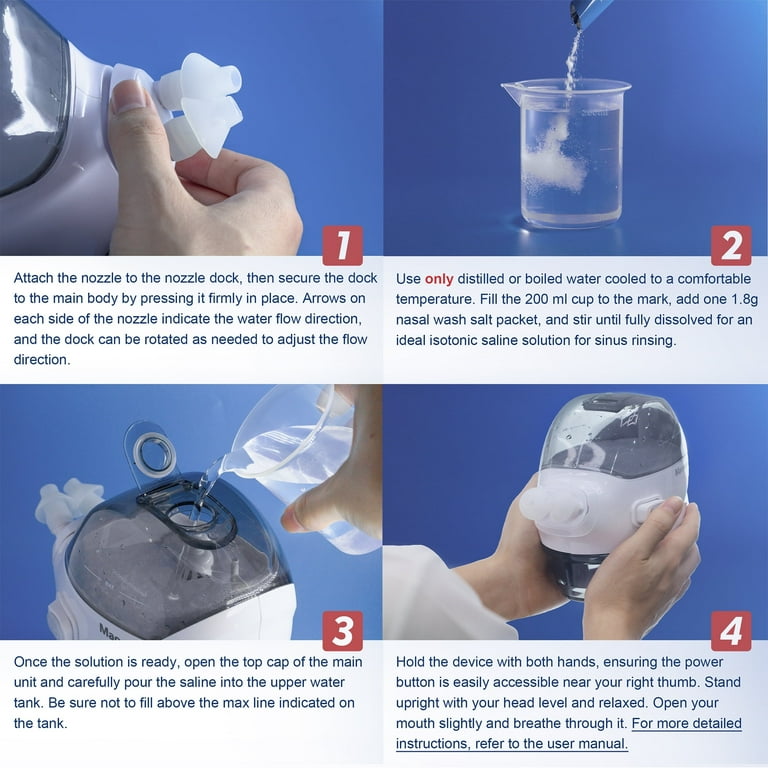
- Wash your hands.
- Prepare saline as above and fill the machine’s reservoir.
- Lean over a sink, tilt your head slightly forward (not fully sideways), and place the nozzle in one nostril.
- Turn on the device and let the solution flow from the upper nostril and out the lower one; breathe through your mouth.
- Repeat on the other side. Use the amount recommended by your device (many use 100–250 mL per nostril).
- When finished, gently blow your nose (one nostril at a time) and pat dry.
- Clean and dry the machine components per the manual.
Different machines have different ergonomics some use suction to pull fluid through (closed systems), others use gentle pressure and pulsation. Read the manual for the correct angle and pressure settings for your model.
Who Benefits Most From a Sinus Irrigation Machine To Make Nasal Clean?
- People with chronic sinusitis seeking regular symptom control.
- Allergy sufferers during pollen season.
- Post-nasal surgery patients (when recommended by an ENT).
- Anyone with frequent nasal congestion who wants a non-drug option.
Who Should Be Cautious or Avoid It?
- People with recent nasal or skull base surgery should follow their surgeon’s directions.
- If you have severe immunosuppression, discuss risks (especially water-borne organisms) with your provider.
Choosing The Right Sinus Irrigation Machine Features To Look For:
When searching “best sinus irrigation machine” or “Sinus Irrigation Machine To Make Nasal Clean” (your target phrase), consider:

- Water safety features: removable, easy-to-clean reservoirs and instructions for sterile water.
- Pressure settings: variable pressure and pulsation modes let you find comfortable settings.
- Volume capacity: larger reservoirs reduce refills if you need bigger rinses.
- Closed vs open systems: closed systems that collect used fluid can be cleaner for some people.
- Ease of cleaning: devices with detachable components that can be sterilized or thoroughly washed reduce infection risk.
- Portability and battery life (if you travel).
- Warranty and replacement parts filters or nozzles should be easy to source.
Maintenance & Cleaning Don’t Skip This
After every use, empty and rinse the reservoir, nozzle, and tubing (if applicable). Let parts air dry. Deep clean regularly: follow the manufacturer’s recommended method some parts can be boiled, others should be soaked in vinegar or a dilute vinegar solution, and some are dishwasher-safe. Never ignore care instructions; improper cleaning increases infection risk. The FDA and CDC emphasize device hygiene and safe water.
Realistic Expectations What It Can And Cannot Do
A Sinus Irrigation Machine To Make Nasal Clean is excellent for mechanical clearing: it removes mucus, allergens, and crusts, reduces congestion, and helps topical medications reach the mucosa. It can reduce symptoms and the need for other medications in many people with sinus problems. However, it is not a cure for bacterial sinus infections that need antibiotics, nor will it fix anatomical blockages (like large deviated septum) that require ENT evaluation. Use it as part of a broader plan that may include allergy control, nasal steroids, or medical review when needed.
Quick Troubleshooting & Tips
- If it stings: check the salt concentration and water temperature. Too hot, too cold, or too salty can sting.
- If fluid runs down your throat: breathe through your mouth and lean forward; this is normal and harmless (though unpleasant).
- If you get ear popping or pain: reduce pressure or stop and consult a clinician.
- Consistency wins: many users notice the most benefit when they irrigate daily (or as advised by their clinician) during illness or allergy season.
Final Thoughts
A Sinus Irrigation Machine To Make Nasal Clean can be a game changer for people tired of blocked noses, sinus pressure, and daily congestion. It’s inexpensive in the long run, drug-free, and backed by ENT and clinical guidance when used correctly. Remember the three golden rules: use safe water, use a proper saline concentration (or pre-made packets), and clean your device after every use. When in doubt, check with your ENT or primary care provider especially after surgery or if you have a weakened immune system.
More about: https://wetelluhow.com/best-sinus-irrigation-machine/