
 Campbell Steven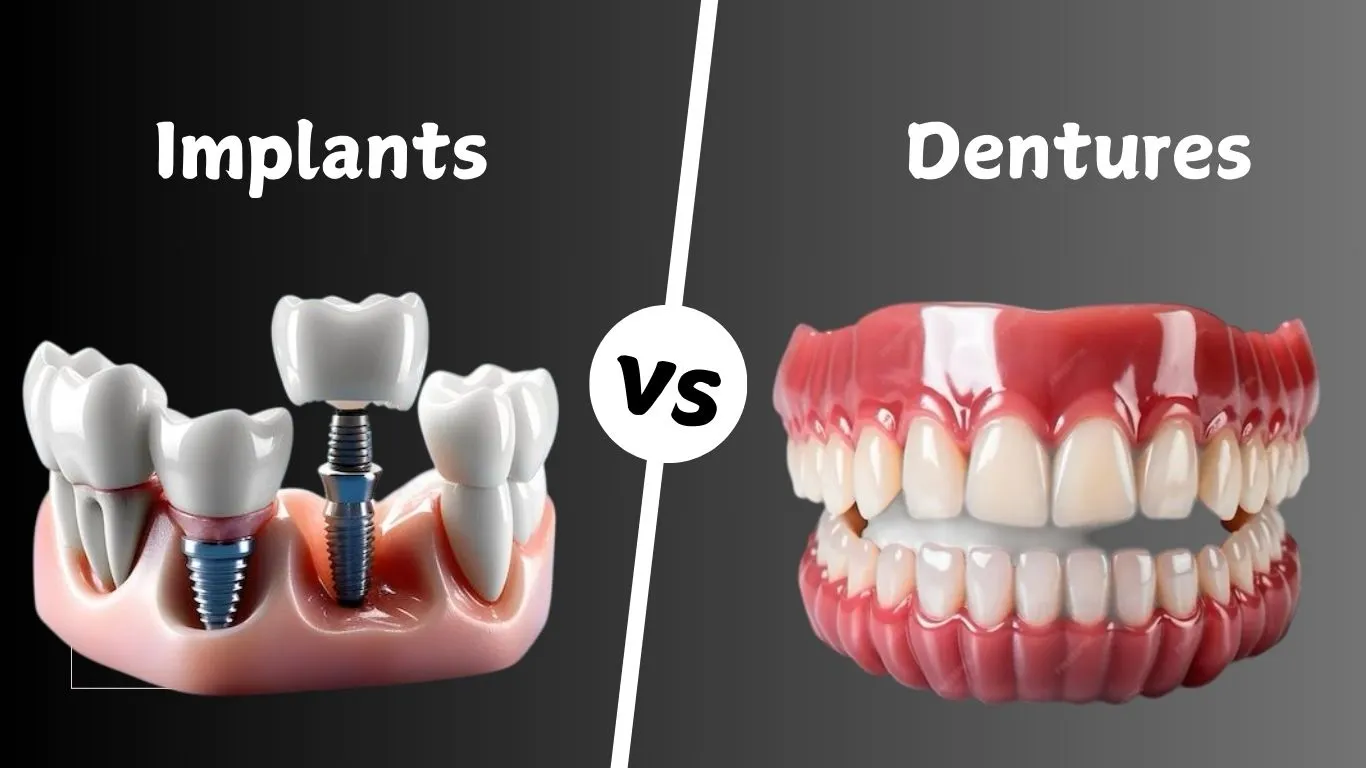
Tooth loss is a common dental problem that affects millions of people worldwide. Missing teeth can impact not only your appearance but also your oral health, speech, and ability to chew properly. For decades, dentures and bridges have been the go-to solutions for replacing missing teeth. However, dental implants have emerged as a modern alternative, offering potential benefits over traditional methods. This article explores whether dental implants are better than dentures or bridges by examining their advantages, disadvantages, longevity, costs, and patient outcomes.
Dental restoration has evolved significantly over the past few decades. Traditional methods like dentures and bridges have provided functional solutions, but they often come with challenges such as discomfort, bone loss, and maintenance requirements. Dental implants, on the other hand, offer a more permanent and natural-looking solution. Understanding the differences between these options is crucial for anyone considering tooth replacement, ensuring a choice that balances aesthetics, function, and long-term oral health.
What Are Dental Implants, Dentures, and Bridges?
Dental Implants
Dental implants are artificial tooth roots, typically made of titanium, that are surgically placed into the jawbone. They provide a sturdy foundation for fixed or removable replacement teeth. Once the implant integrates with the jawbone a process called osseointegration it acts like a natural tooth root, supporting crowns, bridges, or dentures. Implants are known for their stability, durability, and ability to prevent bone loss in the jaw.
Unlike traditional tooth replacement methods, dental implants mimic the structure of natural teeth. They consist of three main components: the implant post, the abutment, and the crown. The implant post is embedded in the jawbone, the abutment connects the post to the crown, and the crown provides the visible, functional tooth. This system allows implants to function like natural teeth, enabling patients to chew, speak, and smile with confidence.
Dentures
Dentures are removable prosthetic teeth that can replace a full arch of missing teeth (complete dentures) or a few missing teeth (partial dentures). They are typically made from acrylic resin or a combination of acrylic and metal. Dentures rest on the gums and are held in place either by natural suction, adhesives, or metal clasps. While they restore basic chewing function and aesthetics, dentures may slip or cause discomfort over time.
Complete dentures replace all teeth in either the upper or lower jaw, while partial dentures fill gaps left by missing teeth and attach to remaining natural teeth. Dentures are usually recommended for patients who have lost multiple teeth or have significant jawbone deterioration. However, they do not stimulate the jawbone, which can lead to bone resorption and changes in facial structure over time.
Bridges
Dental bridges are fixed prosthetic devices used to replace one or more missing teeth. They are anchored to adjacent natural teeth, called abutments, and the replacement teeth, called pontics, fill the gap. Bridges can be made from porcelain, metal, or a combination of both. They offer a more stable solution than removable dentures but rely on the health of neighboring teeth for support.
Bridges are ideal for patients with healthy adjacent teeth that can support the prosthetic. They help restore function and aesthetics, prevent teeth from shifting into empty spaces, and maintain bite alignment. However, bridges require the preparation of surrounding teeth, which involves removing some healthy tooth structure, potentially weakening them in the long run.
Longevity and Durability
The durability of implants makes them a cost-effective long-term solution despite the higher upfront cost. They are resistant to slipping, do not require adhesives, and provide a chewing function comparable to natural teeth. Patients report high satisfaction with the stability, aesthetics, and confidence implants provide, making them a preferred choice for long-term dental restoration.
Dentures
Dentures typically last between 5 to 10 years before needing replacement or adjustment due to wear and changes in the jawbone. Over time, bone resorption can cause dentures to become loose, requiring relining or new fittings. While they are less invasive initially, the need for frequent adjustments and potential discomfort can affect overall quality of life.
Complete dentures may cause challenges with eating and speaking, and they require daily cleaning and maintenance. Partial dentures, although more stable, still rely on clasps and support from natural teeth, which can weaken over time. Despite these limitations, dentures remain a practical solution for patients who cannot undergo surgery or have extensive tooth loss.
Bridges
Dental bridges generally last 10 to 15 years, depending on the material and oral hygiene practices. While more durable than dentures, bridges rely on the health of neighboring teeth. If the supporting teeth become damaged or decay, the bridge may fail. Bridges do not prevent bone loss in the area of missing teeth, which can affect facial structure and long-term oral health.
Bridges require regular dental checkups to monitor the supporting teeth and ensure the integrity of the bridge. They offer a balance between stability and aesthetics but may require replacement after a decade or so. The dependence on surrounding teeth is a significant consideration when comparing bridges to dental implants.
Aesthetic Considerations
Dental Implants
One of the biggest advantages of dental implants is their natural appearance. Implants are designed to match the color, shape, and size of existing teeth, creating a seamless smile. Unlike dentures, implants do not shift or move, providing confidence while speaking, eating, or smiling. The gum around an implant also maintains a natural contour, which helps preserve the overall facial structure.
Implants allow for precise customization to ensure harmony with surrounding teeth. For patients seeking the most natural-looking solution, implants are often the preferred choice. The integration with the jawbone prevents gum recession, a common issue with dentures and bridges, which further enhances the aesthetic outcome.
Dentures
Dentures can restore a patient’s smile effectively, but they may not always provide a perfectly natural look. Full dentures can sometimes appear bulky or unnatural, particularly if they do not fit properly. Over time, changes in the jawbone can alter the fit, affecting appearance and comfort. Despite advances in denture materials and design, some patients report dissatisfaction with the aesthetics compared to implants.
Modern dentures can be customized for color, shape, and alignment, but they lack the structural integration of implants. Gum-colored bases are used to simulate natural gum tissue, yet the prosthetic nature can still be noticeable. Aesthetic concerns are a significant factor in choosing dentures, especially for front teeth replacement.
Bridges
Bridges offer a more natural look than dentures in many cases, particularly when made from porcelain. Since they are fixed and supported by natural teeth, bridges provide a stable and aesthetically pleasing solution. However, the need to modify surrounding teeth can compromise their long-term appearance, and any gum recession can reveal the underlying structure of the bridge.
Bridges allow patients to maintain a natural smile while preventing the shifting of adjacent teeth. With proper dental care, they can offer both functional and aesthetic benefits. However, compared to implants, bridges may be slightly less natural-looking in certain situations, particularly if multiple teeth are replaced.
Oral Health Benefits
Dental Implants
Dental implants support oral health by stimulating the jawbone, which helps prevent bone loss and maintains facial structure. Unlike bridges, they do not require modification of adjacent teeth, preserving natural tooth integrity. Implants also make cleaning and flossing easier compared to bridges or dentures, reducing the risk of gum disease and tooth decay in surrounding teeth.
By mimicking natural tooth roots, implants distribute chewing forces evenly across the jawbone, preventing overloading of other teeth. This feature enhances long-term oral function and stability. The preservation of bone density and gum tissue is a critical advantage of implants, promoting overall oral health and preventing future complications.
Dentures
Dentures restore function but do not prevent bone loss. In fact, prolonged denture use without implants can accelerate jawbone resorption due to lack of stimulation. Poorly fitting dentures may irritate the gums, cause sores, and lead to oral infections. However, dentures can help maintain spacing between teeth and prevent some movement of remaining teeth.
Regular denture cleaning and proper fit adjustments are essential to avoid oral health issues. While they restore the ability to chew and speak, dentures do not provide the same protective benefits for the jawbone as implants. Patients using dentures must be vigilant about oral hygiene to prevent complications.
Bridges
Bridges help maintain the alignment of surrounding teeth by filling gaps caused by missing teeth. However, they do not prevent bone loss at the site of the missing tooth. Bridges require diligent oral hygiene to prevent decay of the supporting teeth. The preparation process for adjacent teeth can sometimes weaken them, increasing the risk of future dental problems.
Bridges are effective at restoring bite function and aesthetics but have limitations regarding long-term oral health benefits. Unlike implants, bridges cannot prevent the gradual loss of bone density in the jaw. Maintaining supporting teeth through good oral care is essential for the longevity of a bridge.
Comfort and Functionality
The ability to chew without discomfort and speak clearly provides a significant quality-of-life improvement. Implants eliminate the need for adhesives or adjustments required by dentures. For those seeking a permanent, low-maintenance solution, dental implants provide unmatched comfort and functionality.
Dentures
Dentures restore some chewing ability but often require adaptation and practice. Eating certain foods, such as sticky or hard items, can be challenging. Dentures may slip or move during speaking or eating, leading to embarrassment or discomfort. They can also cause sore spots on the gums, particularly if ill-fitting.
Over time, relining and adjustments can improve comfort, but they cannot fully replicate the function of natural teeth. Denture wearers often need to modify their diet and habits to accommodate the prosthetic. Despite improvements in materials and design, functionality remains a notable limitation compared to implants.
Bridges
Bridges provide better comfort and stability than dentures because they are fixed in place. Chewing and speaking are typically easier than with removable dentures. However, bridges rely on supporting teeth, which can sometimes cause sensitivity or discomfort if the abutments are stressed. Regular dental visits are required to monitor the health of supporting teeth.
Bridges restore bite strength and allow patients to eat a variety of foods comfortably. While they do not provide the same natural feel as implants, they offer a stable alternative for those who cannot undergo implant surgery. Bridges strike a balance between comfort, functionality, and aesthetics.
Cost Comparison
Dental Implants
Dental implants are more expensive upfront compared to dentures or bridges. The procedure involves surgery, materials, and multiple dental visits, contributing to higher initial costs. However, considering their durability and long-term benefits, implants can be cost-effective over time. They reduce the need for replacements or adjustments and minimize oral health complications.
Insurance coverage for implants varies, and patients should consult their dental provider about financing options. The investment in implants provides not only functional and aesthetic benefits but also long-term oral health preservation. For many patients, the higher initial cost is justified by the advantages implants offer.
Dentures
Dentures are generally the most affordable option for replacing missing teeth. They require minimal surgical intervention and can be fabricated relatively quickly. However, ongoing costs for adjustments, relining, and replacements should be considered. Despite lower initial costs, the long-term maintenance of dentures can add up over time.
Dentures are suitable for patients on a budget or those unable to undergo surgery. While less durable and less comfortable than implants, they provide an accessible solution for restoring oral function and appearance. Patients must weigh immediate affordability against long-term performance.
Bridges
Bridges fall between dentures and implants in terms of cost. They require preparation of adjacent teeth and laboratory fabrication, contributing to moderate expenses. While more costly than dentures, bridges generally last longer and offer better stability. However, potential future treatments for supporting teeth may increase overall costs.
Bridges provide a balance of cost, function, and aesthetics. They are often recommended for patients with healthy adjacent teeth who want a fixed solution without undergoing surgical procedures. Proper care and maintenance are essential to maximize the lifespan and value of a bridge.
Patient Considerations
Health and Bone Density
Dental implants require sufficient jawbone density for successful placement. Patients with bone loss may need grafting procedures before implants can be placed. Dentures and bridges do not require surgery or bone density considerations, making them accessible for patients with compromised bone health.
Patients should undergo a thorough dental evaluation to determine the most suitable option. Health conditions such as diabetes or immune disorders may also impact implant success. Dentures and bridges offer alternative solutions for those unable to undergo surgical procedures.
Age and Lifestyle
Implants can benefit patients of all adult ages but may not be recommended for young patients whose jaw growth is incomplete. Dentures are a practical solution for older adults or those seeking a non-invasive option. Bridges suit patients with healthy adjacent teeth and a desire for a fixed restoration without surgery.
Lifestyle factors, including diet, oral hygiene habits, and cosmetic expectations, should influence the choice. Implants provide the closest experience to natural teeth, while dentures and bridges may require adaptation and ongoing care.
Maintenance
Implants require routine dental care similar to natural teeth, including brushing, flossing, and professional checkups. Dentures need daily cleaning and occasional adjustments. Bridges also require meticulous oral hygiene to prevent decay in supporting teeth. Maintenance considerations can influence patient satisfaction and long-term outcomes.
Choosing the right option involves evaluating one’s commitment to oral hygiene, the ability to attend dental visits, and willingness to adapt to prosthetic devices. Implants generally demand less long-term intervention compared to dentures and bridges.
Risks and Complications
Dental Implants
While implants have a high success rate, risks include infection, nerve damage, and implant failure. Smoking, poor oral hygiene, or underlying health conditions can affect implant longevity. Most complications are manageable with proper care and prompt attention.
Dentures
Common issues with dentures include sore spots, slipping, and difficulty chewing. Long-term use can accelerate bone loss, impacting facial appearance. Adhesives and relining can help, but discomfort may persist.
Bridges
Bridge complications involve decay or damage to supporting teeth, loosening of the bridge, and gum problems. Careful oral hygiene and regular dental checkups are essential to prevent these issues.
Conclusion
Dental implants, dentures, and bridges each have their advantages and limitations. Dental implants stand out for their durability, stability, and natural appearance, making them a preferred choice for long-term tooth replacement. Dentures offer a cost-effective and non-invasive solution, particularly for older adults or those unable to undergo surgery. Bridges provide a balance between stability, function, and aesthetics but rely on adjacent teeth for support.