
 Campbell Steven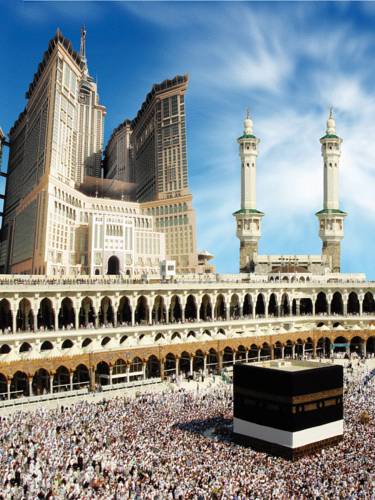
Ramadan, a month of fasting, prayer, and reflection, is one of the most sacred times for Muslims worldwide. During this holy month, Muslims engage in deep spiritual practices, seeking to grow closer to Allah through acts of devotion. Among these acts, the pilgrimage of Umrah holds profound significance, especially during Ramadan. While Hajj is the larger pilgrimage required of Muslims, Umrah can be performed at any time of the year. However, performing Umrah during Ramadan carries unique cultural and spiritual importance for Muslims across different countries.
Understanding the Significance of Ramadan Umrah
For Muslims, Umrah is a voluntary act of worship that involves a set of rituals similar to those performed during Hajj, though without the same scale. These rituals include the Tawaf (circumambulation of the Kaaba), Sa’i (walking between the hills of Safa and Marwah), and the shaving or cutting of hair. While Umrah can be performed throughout the year, the spiritual benefits of performing it during Ramadan are amplified.
The significance of Ramadan Umrah lies not only in its spiritual rewards but also in its deep cultural value. Muslims believe that the reward for performing Umrah during Ramadan is equivalent to that of performing Hajj, as conveyed in several Hadiths. This belief creates a sense of urgency and devotion, encouraging Muslims to make the journey to Mecca during this blessed time.
The Role of Ramadan Umrah in Different Countries
Muslims from around the world celebrate Ramadan in various ways, and their approach to Umrah during this time reflects cultural practices, economic factors, and religious interpretations unique to each country. Here’s a look at the cultural significance of Ramadan Umrah for Muslims in different regions:
1. Saudi Arabia: The Heart of the Islamic World
For Muslims in Saudi Arabia, performing Umrah during Ramadan holds immense importance due to the proximity to Mecca. Saudi culture heavily influences the religious practices during Ramadan. With the availability of religious infrastructure and services, including the ability to accommodate large numbers of worshippers, many Muslims from inside the Kingdom as well as international visitors make the journey to Mecca during this time.
- Pilgrims’ Experience: In Saudi Arabia, the atmosphere during Ramadan is vibrant, as millions gather for Umrah, especially in the last ten days of Ramadan. This is the time when worshippers strive for Laylat al-Qadr (the Night of Power), believed to be the night when the Qur’an was revealed.
- Cultural Traditions: The local culture emphasises hospitality, with Saudi citizens and residents hosting fellow Muslims and offering meals during Iftar (the breaking of fast). The shared experience of fasting and performing Umrah brings the community together and strengthens bonds.
2. Indonesia: The Largest Muslim Population
Indonesia, home to the largest Muslim population in the world, has a rich tradition of religious devotion. During Ramadan, many Indonesians make the pilgrimage to Mecca, particularly for Umrah. The cultural significance of Ramadan Umrah in Indonesia is rooted in both the deep religiosity of the population and the strong community focus.
- Spiritual Significance: For Indonesians, performing Umrah during Ramadan is seen as a significant spiritual journey, one that brings them closer to Allah. Many Indonesians view this pilgrimage as an opportunity for renewal, asking for forgiveness and seeking blessings.
- Group Travel and Pilgrimage Agencies: Given the large number of Indonesian Muslims making the trip during Ramadan, travel agencies play a significant role in organising group Umrah packages. This has become a cultural norm, with families and communities often travelling together, further emphasising the sense of collective worship.
3. Pakistan: A Country of Devout Muslims
In Pakistan, Ramadan Umrah is a cherished tradition that sees a surge in pilgrimages during the holy month. Pakistani Muslims, especially from lower and middle-income backgrounds, save for years to perform Umrah during Ramadan. The cultural and religious significance is vast, as it is viewed as a once-in-a-lifetime opportunity for many.
- Economic Considerations: Due to the economic constraints, only a small percentage of Pakistanis can afford to travel to Mecca for Umrah during Ramadan. However, those who do view it as a significant act of devotion often make personal and familial sacrifices.
- Community and Family Focus: Families from Pakistan often travel together, with the journey becoming a central part of family bonding. Pilgrims frequently express their gratitude for the experience through social media, sharing their journeys with friends and loved ones.
4. Egypt: A Blend of Tradition and Modernity
In Egypt, Ramadan Umrah holds a place of deep cultural significance. The nation’s rich history of Islamic scholarship and its ties to the broader Arab world influence the way Egyptians experience Umrah. For Egyptians, performing Umrah during Ramadan is seen as a way to connect with their faith and community.
- Cultural Practices: During Ramadan, Egyptian Muslims engage in charitable acts, such as giving Zakat (almsgiving) to the less fortunate. These practices are closely linked to the act of performing Umrah, reinforcing the theme of purification and compassion.
- Social Influence: In Egypt, many view Ramadan Umrah as an opportunity for personal growth. The act of pilgrimage is often a community-wide event, with entire neighbourhoods or towns gathering to participate in the spiritual journey.
5. Turkey: A Blend of Eastern and Western Influences
In Turkey, Ramadan Umrah is an important cultural practice, although fewer people from Turkey perform it compared to some other countries. Nevertheless, for Turkish Muslims, the opportunity to perform Umrah during Ramadan holds great importance, as it combines religious devotion with the country’s unique blend of Islamic tradition and modernity.
- Cultural Impact: In Turkey, the cultural significance of Ramadan Umrah is intertwined with the country’s Ottoman heritage. Many Turkish Muslims view the pilgrimage as a spiritual continuation of the Islamic history and traditions that have shaped their identity.
- Government Support: The Turkish government provides substantial support for religious travel, including Umrah. This makes it easier for Turkish citizens to make the pilgrimage during Ramadan, though it is often seen as an exclusive event for those with financial means.
The Spiritual and Social Impact of Ramadan Umrah
For Muslims around the world, the act of performing Umrah during Ramadan is not just about the rituals themselves, but about the deep spiritual transformation that occurs. Some of the key aspects of this transformation include:
- Strengthened Faith: Performing Umrah during Ramadan is believed to bring great spiritual rewards. Muslims view the act of worship as a purification of the soul and a chance to renew their commitment to Allah.
- Unity and Brotherhood: The shared experience of performing Umrah with fellow Muslims from around the world fosters a sense of unity and brotherhood. This is especially significant in countries where Muslims may be in the minority or where religious practices are marginalised.
- Charity and Giving: Ramadan Umrah also emphasises the importance of charity, with many Muslims using their pilgrimage as an opportunity to support those in need. This includes donating to local mosques, providing Iftar meals for the less fortunate, and supporting local communities in Mecca.
Conclusion
Ramadan Umrah is a deeply significant cultural and spiritual practice for Muslims worldwide. The experience of performing Umrah during Ramadan varies across countries, reflecting the diverse ways in which Muslims approach worship, community, and tradition. Whether in Saudi Arabia, Indonesia, Pakistan, Egypt, or Turkey, the cultural significance of Ramadan Umrah transcends borders, offering Muslims a transformative experience that deepens their faith and strengthens their connection to the global Muslim community. Through this journey, Muslims find not only spiritual growth but also a renewed sense of purpose and unity.