
 Campbell Steven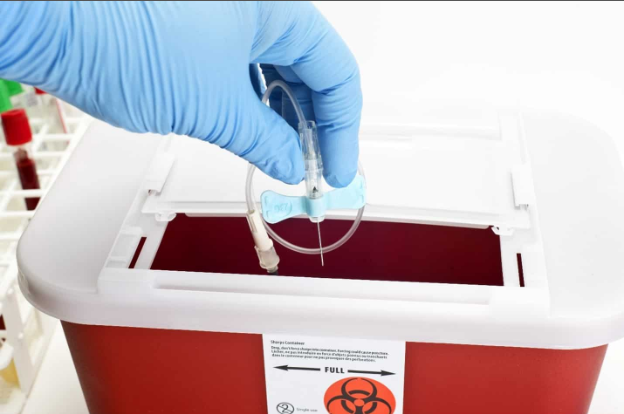
Managing hazardous materials safely is a critical responsibility for businesses and institutions that generate potentially dangerous waste. Ensuring proper handling, transportation, and disposal requires careful planning and adherence to regulatory guidelines. In the middle of these protocols, hazardous waste pickup relies heavily on the use of appropriate containers to prevent leaks, contamination, and accidents during collection and transport. The selection and use of proper containers are foundational to the safety, compliance, and efficiency of waste management operations.
Why Proper Containers Matter
The risks associated with hazardous waste are significant. Chemicals, biological materials, and other dangerous substances can pose threats to human health and the environment if not stored correctly. Proper containers serve as the first line of defence, ensuring that materials remain contained and stable until they reach a certified disposal facility. Containers that are durable, leak-proof, and clearly labelled reduce the likelihood of exposure, spills, and cross-contamination.
Using the right type of container also ensures compliance with federal, state, and local regulations. Agencies such as the Environmental Protection Agency (EPA) provide strict guidelines regarding the packaging, labelling, and transport of hazardous materials. Failure to comply can result in severe fines, legal liability, and environmental damage.
Types of Containers Used in Hazardous Waste Pickup
Different types of hazardous waste require specific containers to meet safety and regulatory standards. Some common types include:
- Plastic or metal drums: Ideal for liquid chemical waste, these containers are resistant to corrosion and prevent leaks.
- Sharps containers: Used for medical waste, needles, and other sharp objects, these containers are puncture-resistant and prevent injury.
- Aerosol and pressurised containers: Designed to safely store and transport compressed or flammable substances.
- Sealable bags and bins: Suitable for smaller or solid waste materials that require containment before transport.
Each container type is designed to accommodate specific hazards while maintaining safety for handlers and the environment.
Proper Labelling and Handling
The effectiveness of hazardous waste containers depends not only on their design but also on proper labelling and handling procedures. Containers must be clearly marked with hazard symbols, contents, and handling instructions. This ensures that everyone involved in the pickup process, from facility staff to transportation personnel, can take the necessary precautions.
Training employees in proper handling techniques is equally important. Workers should know how to lift, secure, and store containers to minimise accidents. During hazardous waste pickup, adherence to these practices reduces the risk of exposure and ensures that materials are transported securely to their final disposal location.
The Role of Containers in Safe and Efficient Pickup
Containers play a pivotal role in facilitating smooth operations during hazardous waste collection. Well-designed, secure containers allow pickup services to handle large volumes of waste safely, minimising downtime and improving overall efficiency. They also make it easier to segregate different types of waste, such as chemical, biological, or flammable materials, preventing dangerous reactions or contamination.
Using standardised containers simplifies the workflow for hazardous waste pickup services, allowing professionals to process, transport, and dispose of waste with confidence. In the last stages of collection, it is clear that properly chosen containers are not optional—they are essential for compliance, safety, and operational success.
Conclusion
The selection and use of proper containers are critical for safe and effective hazardous waste management. They protect workers, prevent environmental contamination, and ensure regulatory compliance during hazardous waste pickup operations. Businesses and medical facilities benefit from using certified containers that meet industry standards, helping streamline collection and transport processes. Investing in the right containers and training ensures a safer, more efficient approach to waste handling and contributes to responsible practices, particularly in specialised services like medical waste disposal in Virginia, where safety and compliance are paramount.