
 Campbell Steven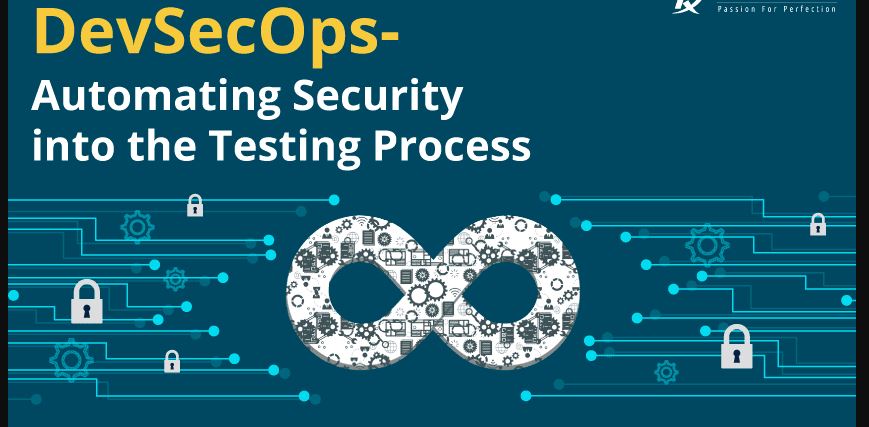
Modern software development moves at an unprecedented speed. Continuous integration, continuous deployment, cloud-native architectures, and microservices have transformed how applications are built and released. While this rapid pace enables innovation, it also increases security risks. Traditional manual security testing methods can no longer keep up with frequent code changes and fast release cycles. This is where automation becomes essential, especially within DevSecOps. Automation allows organizations to embed security testing directly into development workflows without slowing delivery. As a result, devsecops services increasingly rely on automated security testing as a core capability.
Automation in DevSecOps is not about replacing human expertise but about enabling teams to scale security effectively. By automating repetitive and time-consuming tasks, organizations can detect vulnerabilities earlier, respond faster, and maintain strong security standards while continuing to innovate. Understanding the role of automation in DevSecOps security testing is crucial for businesses aiming to balance speed, quality, and protection.
Understanding DevSecOps Security Testing
DevSecOps security testing is the practice of integrating security validation throughout the software development lifecycle. Instead of performing security checks only at the end of development, DevSecOps ensures that testing occurs continuously, from code creation to deployment and beyond. This approach reduces the risk of releasing vulnerable software and minimizes costly fixes later.
Security testing within DevSecOps includes identifying code vulnerabilities, insecure configurations, exposed secrets, and potential compliance issues. Automation enables these tests to run consistently and frequently. Organizations that adopt devsecops services benefit from standardized security testing processes that operate seamlessly within modern development pipelines.
Why Manual Security Testing Is No Longer Enough
Manual security testing has long been an important part of application security, but it comes with significant limitations. It is time-consuming, resource-intensive, and difficult to scale. In fast-moving development environments, manual reviews often become bottlenecks that delay releases or are skipped altogether due to time pressure.
Additionally, human error can lead to missed vulnerabilities, especially when testing large and complex codebases. Automation addresses these issues by running security tests continuously and consistently. By leveraging devsecops services, organizations can reduce reliance on manual processes while still benefiting from expert oversight where it matters most.
Automation as the Foundation of DevSecOps
Automation is the backbone of DevSecOps because it enables security to move at the same speed as development. Automated tools integrate directly into continuous integration and continuous deployment pipelines, ensuring that every code change is tested for security issues.
This approach eliminates the need for separate security phases that interrupt workflows. Instead, security becomes an integral part of everyday development activities. Through devsecops services, automation ensures that security testing is predictable, repeatable, and scalable across teams and projects.
Shift-Left Security Through Automated Testing
One of the key principles of DevSecOps is shifting security left, meaning security testing starts as early as possible in the development process. Automation makes this principle practical and effective. Automated tests can run as soon as developers commit code, providing immediate feedback.
Early detection of vulnerabilities significantly reduces remediation costs and effort. Developers can fix issues while the context is fresh, rather than revisiting old code later. By implementing automated shift-left strategies through devsecops services, organizations improve security without introducing delays.
Static Application Security Testing Automation
Static Application Security Testing, or SAST, analyzes source code to identify vulnerabilities without executing the application. Automated SAST tools scan code during development and flag potential issues such as insecure coding practices or logic flaws.
Automation allows SAST scans to run continuously in development pipelines. This ensures that new vulnerabilities are detected as soon as they are introduced. With devsecops services, automated SAST becomes a standard safeguard that supports secure coding practices across teams.
Dynamic Application Security Testing Automation
Dynamic Application Security Testing, or DAST, evaluates running applications by simulating real-world attacks. Automated DAST tools test applications in staging or testing environments to uncover runtime vulnerabilities.
Automation ensures that DAST scans are performed regularly and consistently, even as applications evolve. This continuous testing approach helps identify issues that may not be visible in static code analysis. Organizations using devsecops services benefit from automated DAST that complements other security testing methods.
Dependency and Open-Source Security Automation
Modern applications rely heavily on third-party libraries and open-source components. While these dependencies accelerate development, they also introduce security risks if vulnerabilities exist in external code.
Automated dependency scanning tools monitor software components for known vulnerabilities and license issues. These tools alert teams when updates or patches are needed. By integrating dependency security automation into devsecops services, organizations reduce supply chain risks without slowing development.
Infrastructure and Configuration Security Automation
Security risks are not limited to application code. Misconfigured infrastructure and cloud environments can expose systems to attacks. Automation plays a critical role in identifying and correcting these issues.
Infrastructure-as-code security testing tools automatically analyze configuration files and cloud templates for insecure settings. Continuous checks ensure that environments remain compliant as they scale. Through devsecops services, organizations maintain secure infrastructure while supporting rapid deployment.
Continuous Monitoring and Runtime Security Automation
Security testing does not end once an application is deployed. Continuous monitoring is essential to detect threats, anomalies, and potential breaches in real time. Automation enables runtime security tools to operate without constant manual intervention.
Automated monitoring systems analyze logs, network traffic, and application behavior to identify suspicious activity. Alerts are triggered when predefined thresholds are exceeded. With devsecops services, organizations gain automated visibility into production environments without disrupting operations.
Reducing False Positives Through Intelligent Automation
One challenge in automated security testing is managing false positives. Excessive or inaccurate alerts can overwhelm teams and reduce trust in security tools. Advanced automation addresses this issue through contextual analysis and prioritization.
Modern tools use intelligent filtering and correlation to focus on high-risk vulnerabilities. This ensures that teams spend time addressing real threats rather than chasing noise. By adopting devsecops services, organizations can fine-tune automated testing for maximum efficiency and impact.
Automation and Developer Productivity
A common concern is that increased security testing will slow developers down. In reality, automation improves productivity by integrating security feedback directly into development tools. Developers receive actionable insights without leaving their workflows.
This seamless integration reduces friction and encourages secure coding practices. Over time, developers become more security-aware, reducing the number of issues introduced. Devsecops services leverage automation to support developers rather than hinder them.
Automation and Compliance in DevSecOps
Compliance requirements add another layer of complexity to software development. Manual compliance checks are slow and prone to inconsistency. Automation simplifies compliance by embedding policy checks directly into pipelines.
Automated audits, reporting, and validation ensure that applications meet regulatory standards continuously. This approach reduces the risk of non-compliance and speeds up approvals. Organizations using devsecops services can maintain compliance without sacrificing agility.
Scaling Security Testing with Automation
As organizations grow, their applications and development teams become more complex. Scaling manual security testing across multiple projects and environments is impractical. Automation makes scaling possible.
Automated tools can be applied consistently across all pipelines, regardless of size or complexity. This ensures uniform security standards throughout the organization. By relying on devsecops services, businesses can scale securely without increasing operational burden.
The Role of Automation in Risk Reduction
Automated security testing reduces risk by ensuring consistent coverage and rapid response. Vulnerabilities are identified early and addressed before they can be exploited. Continuous testing also reduces the attack surface over time.
By combining automation with expert oversight, organizations achieve a balanced approach to security. Devsecops services use automation to reduce human error while enabling strategic decision-making.
Overcoming Challenges in Automated Security Testing
While automation offers significant benefits, it must be implemented thoughtfully. Poorly configured tools can generate noise or miss critical issues. Successful automation requires clear policies, proper integration, and ongoing tuning.
Training and collaboration are also essential. Teams must understand how to interpret results and respond effectively. With the guidance provided by devsecops services, organizations can overcome these challenges and maximize the value of automation.
The Future of Automation in DevSecOps
Automation in DevSecOps continues to evolve alongside advances in artificial intelligence and machine learning. These technologies enable more accurate threat detection, predictive analysis, and adaptive testing strategies.
As development environments become more dynamic, automation will play an even greater role in maintaining security at scale. Organizations that invest in devsecops services today will be better positioned to adopt these innovations in the future.
Why Automation Is Essential for Modern DevSecOps Services
Automation is no longer optional in modern software development. Without it, security testing cannot keep pace with continuous delivery. DevSecOps depends on automation to integrate security seamlessly into development workflows.
By embedding automated testing into every stage of the lifecycle, devsecops services help organizations achieve both speed and security. This balance is essential for competing in today’s digital landscape.
Conclusion
Automation plays a central role in DevSecOps security testing by enabling continuous, scalable, and efficient protection. It eliminates the traditional trade-off between speed and security, allowing organizations to innovate confidently. From code analysis and dependency scanning to infrastructure security and runtime monitoring, automation ensures comprehensive coverage across the software lifecycle.
As cyber threats grow more sophisticated and development cycles accelerate, automated security testing becomes indispensable. Organizations that adopt devsecops services gain the tools, processes, and expertise needed to embed security into development without slowing progress. In the future of software delivery, automation will remain the driving force behind secure, resilient, and agile DevSecOps practices.