 Campbell Steven
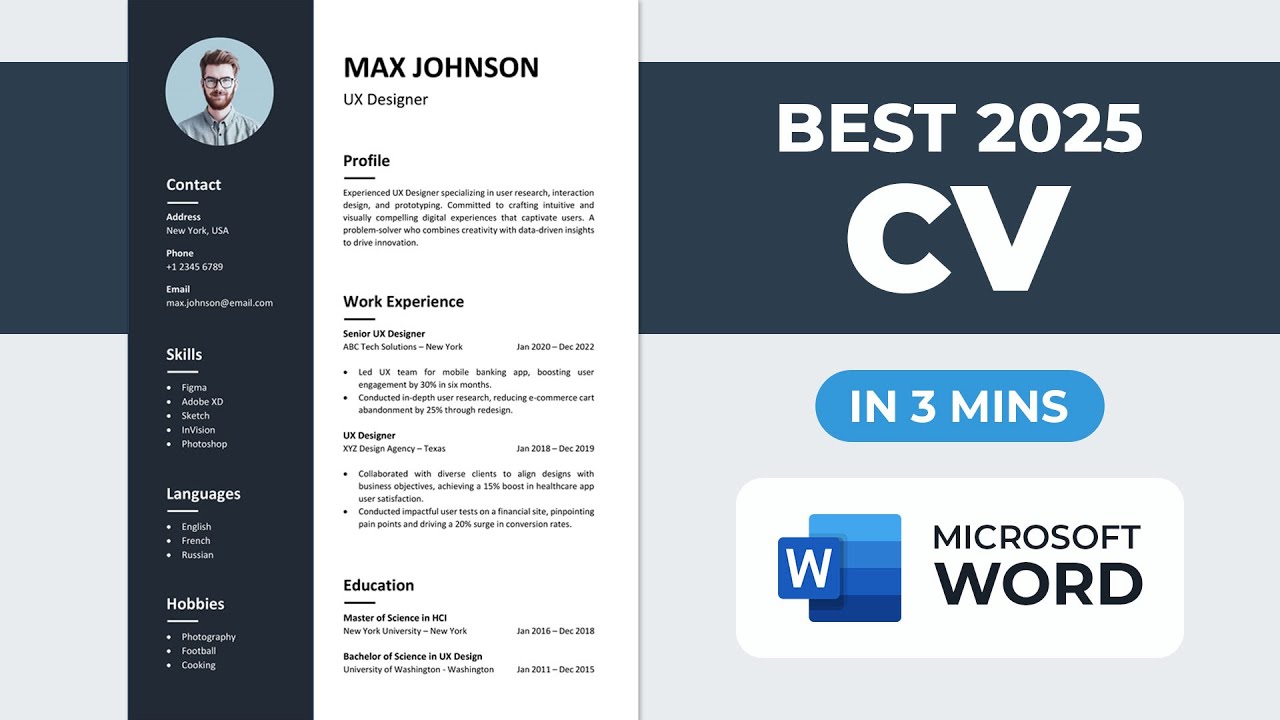
 In 2025, to create a powerful CV, it will be necessary to do more than memorise the role and duties. Technological adoption, a change in the workplace environment, and employer expectations are some of the reasons and contributing factors in the current fast-changing environment in the area of employment. Recruiters are becoming more interested in resumes that portray the traits of not only qualifications, but also personal branding, digital literacy, and adaptability. In the following discussion, we look at the best CV trends that will dominate 2025 and how job applicants can embrace them and keep in the lead.
Focus on Personal Branding
Personal branding has crossed the boundaries of entrepreneurs and executives; it is now an imperative for all professionals in any field of operation. Employers in 2025 would like to know what makes a candidate stand out in the talent pool. This implies that a CV must convey his/her key selling point. Professionals are supposed to provide personal statements instead of generic summaries; the statements help identify career goals, significant accomplishments, and particular strengths. The personal brand also has to be consistent with the LinkedIn profile, internet portfolios, and professional image on the internet as a whole.
Digital Skill Integration
Changes in technology continue to develop at a high speed, and as such, digital literacy has become a fundamental necessity in almost all industries. Whether that is artificial intelligence and data analysis knowledge, to collaborative tools and remote communication systems, employers in 2025 want to see candidates fluent in digital use tools that would pertain to their profession. The CV must list not only technical expertise but also demonstrate hands-on use. To take an example, candidates may need to explain how they used the knowledge of such data visualisation tools to affect decision-making rather than just listing such knowledge. Such a change also makes sure that the CVs will indicate the skills of fitting into an environment that is digitally oriented.
Per/Role Customisation
Generic CVs to a mass of employers are not effective anymore in 2025. Personalisation is key since the applicant tracking systems (ATS) and data-driven recruitment are on the rise. Job seekers would personalise their resumes to reflect that of a particular company as they would match up keywords, competencies, and experiences with the job advert. The trend indicates the increasing value of specific applications as opposed to the one-fit funnel. Personalisation demonstrates initiative and a match to the employer’s needs, which is much more likely to persuade ATS systems and attract a recruiter.
Celebrating Remote and Hybrid Competencies
Celebrating remote and hybrid competencies has become essential in today’s evolving job market, another reason as more employers seek out adaptability and flexibility in the workplace. Specific examples of skills, like virtual collaboration, time management, and experience with digital tools, will indicate to the candidates that they will succeed in both remote and hybrid environments. Practitioners who portray these competencies present themselves as dependable and futuristic contributors to international teams. Adding such achievements to a CV will improve career opportunities and meet the requirements of contemporary recruitment. Services like Dubai CV Maker help job seekers effectively showcase such competencies, ensuring their applications remain competitive in 2025 and beyond.
Addition of Soft Skills and ESG
Since companies increasingly shift their focus to such environmental, social, and governance principles (ESG), job applicants may be asked to demonstrate the values reflecting sustainability, diversity, and ethically based leadership. Examples of work in the area of corporate responsibility or community projects, or inclusive projects can now be included in the CV. Concurrently, soft skills, including empathy, critical thinking, and communication, are gaining recognition as being of equal value to technical skills. In 2025, employers are seeking balanced professionals who not only perform their jobs well but also have a positive impact on the culture in the workplace and the overall aspirations of a given society.
AI-Optimized CVs
Recruitment methods changed with artificial intelligence, and job seekers adjust in turn by optimising their resumes to suit machine-driven sifting. Comparison of resumes. Applicant tracking software reads resumes to identify keywords and formatting, and selects relevance. By 2025, the CV structure of a candidate requires strategic organisation so that it corresponds to the needs of the AI, but remains attractive to the human recruiter. This includes not having designs that are too complex to the extent of confusing referencing systems, but having structured headings, job-related keywords, and descriptions.
QR Codes and interaction elements
The use of QR codes in 2025 is changing the dynamics of CVs, with a greater percentage of them consisting of QR codes that connect to the professional portfolio, LinkedIn personal information, or video introductory statements. The trend is more or less a middle ground between a traditional static resume and interactive online content. It gives recruiters immediate access to additional information, e.g., project samples, presentations, or publications. In getting across to creative sectors and technology-related positions, interactive elements show them your digital dexterity and create an enriched candidate experience.
Practice of Continuous Learning
Lifelong learners capable of handling changes in the industries are appreciated by employers. This is reflected in the CVs in 2025 as they facilitate the display of credentials, micro-credentials, and online learning, along with formal education. On-demand acquisition of specialised skills is made more accessible to professionals through platforms like Coursera, edX, and LinkedIn Learning. Mentioning the records of further education post-college underlines the work of a responsible attitude and devotion to professional improvement.
Global/Cross-Cultural Competence
As “globalisation” and remote teamwork are linking people in different areas across the world, cross-cultural competence is emerging as a critical skill factor. CVs have come to give importance to international experience, multilingual skills, and exposure to a varied job environment. Even those professionals who do not have direct international jobs should be able to display cultural awareness and manage to work productively with international working groups. These skills are crucial abilities for employers in the year 2025 as they create inclusive workplaces and increase an organisation’s reach.
Conclusion
The development of the CV is much more than a staid record of work activities. By 2025, it will become an active instrument of how to create personal branding, digital fluency, and career storytelling. The best practice trends affecting the CV emphasise brevity, personalisation, incorporation of technology, and the capacity to show results. The employer would like to have not only employees with the right skills but also individuals who demonstrate flexibility, lifelong learning, and fit within the mission and values of the organisation. With the support of such trends, job seekers may develop their CVs so that they can differentiate themselves in a highly competitive market and become attractive to prospective employers.
The Top Trends for CVs in 2025