 Campbell Steven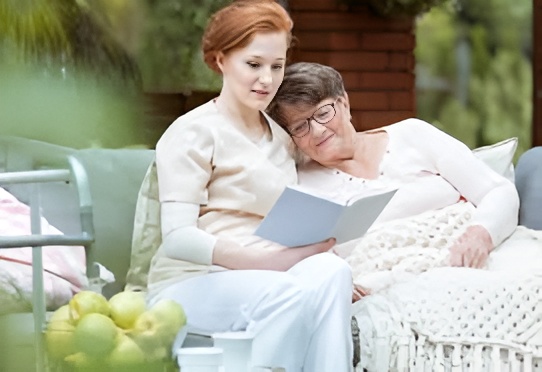
When a person is nearing the end of life, small moments matter. A steady hand. A calm voice. Someone who will sit quietly in the room so a spouse can nap, take a shower, or simply breathe.
That is where a hospice volunteer becomes essential—not as a “nice extra,” but as a meaningful part of the care team. In fact, the Medicare hospice program requires hospices to use volunteers for at least 5% of total patient care hours provided by paid staff and contract workers. Hospice volunteers bring time, presence, and human connection—things that can be hard to schedule, but deeply needed.
Hospice Care Today: Big Need, Real People
Hospice is comfort-focused care for people who are likely in the last months of life. It supports the patient and the family with symptom relief, emotional support, and spiritual care.
Hospice is also widely used in the United States:
- In calendar year 2022, 1.72 million Medicare beneficiaries were enrolled in hospice for at least one day.
- Of all Medicare deaths in 2022, 49.1% of people received hospice services.
Those numbers represent millions of families walking through one of life’s hardest seasons and they help explain why volunteer support is not optional. It is foundational.
What a Hospice Volunteer Really Does
A hospice volunteer is trained to support patients and families in practical, emotional, and relational ways. Volunteers do not replace nurses, aides, or social workers. Instead, they strengthen the team by filling a different need: compassionate presence.
Common Volunteer Roles in Hospice
Companionship and emotional support
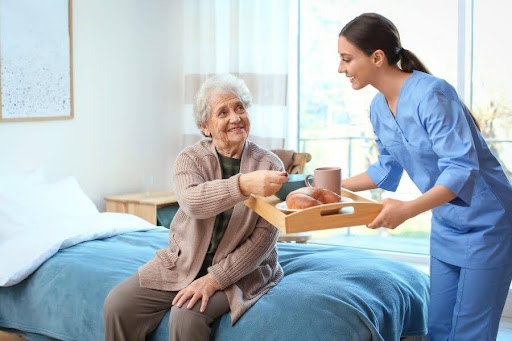
Many patients struggle with loneliness, fear, or boredom—especially when illness limits mobility or conversation. A volunteer might:
- Sit and talk about everyday life
- Read aloud, play music, or share stories
- Offer calm presence when words are hard to find
Caregiver respite
Family caregivers often carry a heavy load. Volunteers can stay with the patient for a short time so the caregiver can:
- Rest, run errands, or attend appointments
- Take care of children or household tasks
- Regroup emotionally and avoid burnout
Practical help and light tasks
Depending on the hospice program, volunteers may help with:
- Friendly phone calls and check-ins
- Administrative support that frees up clinical staff time
- Coordinating comfort items, cards, or special touches for patients
Bereavement and grief support
Hospice programs also support families after a death. While grief counselling is typically led by professionals, volunteers may assist with:
- Support group logistics
- Follow-up outreach and comfort mailings
- Memorial events
Why Volunteers Are “Essential,” Not “Extra”
It is easy to think the “real work” of hospice is medical care pain control, symptom management, and nursing visits. Those are critical. But end-of-life care is also about dignity, meaning, and being seen as a person.
Hospice volunteers directly strengthen those outcomes.
1) Volunteers protect dignity through presence
In the final chapter of life, people often lose independence. They may need help with basic routines. They may feel like a burden. A volunteer’s steady companionship can remind someone: “You still matter.”
2) Volunteers reduce isolation for patients and families
Illness can shrink a person’s world. Friends may not know what to say. Family may be exhausted. A volunteer can be one consistent, supportive relationship during a time when everything feels uncertain.
3) Volunteers support caregivers—who are also part of the unit of care
Hospice treats the patient and the family as a connected whole. Caregivers can experience stress, sleep loss, and complicated grief. Even short respite visits can make a difference.
4) Volunteers help hospice teams focus clinical time where it matters most
Hospice staff members are skilled professionals, but their time is limited. When volunteers support non-medical needs, nurses and aides can focus on clinical priorities pain, breathing issues, nausea, wound care, and urgent symptoms.
5) Volunteers are required because they improve the hospice model
Medicare’s 5% volunteer requirement is not a symbolic gesture. It is a structural decision that keeps hospice rooted in community, compassion, and real human connection.
The Hospice Volunteer Impact: The “Human Side” of Quality
Some benefits are hard to measure, but they are easy to feel. Families often remember:
- The volunteer who listened without judgment
- The calm presence during a long night
- The small kindness that made the home feel less clinical
And there is research linking volunteer involvement with higher perceived quality. For example, a peer-reviewed study analyzing family evaluations of hospice care examined how volunteer hours related to families rating care as “excellent.”
In plain terms: when volunteers are engaged, families can experience hospice as more supportive and more complete.
Hospice Care in Plano: Why Community Matters
If you are exploring hospice care plano, you are not only choosing a service you are stepping into a support system. The best hospice experiences are built on a strong interdisciplinary team (nurses, physicians, aides, social workers, chaplains) plus community-based support, including trained volunteers.
A strong volunteer program can signal something important about a hospice provider: it invests in relationships, not just visits. It values the emotional and spiritual parts of care, not only the medical checklist.
When families ask, “Will someone be there with us?” volunteers often help make the answer a confident “yes.”
What Makes a Strong Hospice Volunteer Program
Not all volunteer programs look the same, but high-quality hospice organizations tend to share a few best practices.
Training and boundaries
Volunteers should be trained in:
- Communication at end of life
- Confidentiality (privacy rules)
- Grief and family dynamics
- Safety, infection prevention, and role limits
Matching and consistency
The best programs match volunteers thoughtfully based on:
- Patient preferences and personality
- Language and cultural needs
- Schedule fit and reliability
Integration with the care team
Volunteers are most effective when they are connected to the team sharing observations appropriately and supporting the care plan without stepping outside their role.
Considering Volunteering? Here’s What to Expect
If you have ever wondered whether you could do this work, you are not alone. Many volunteers start with a simple motive: “I want to help, but I don’t know how.”
A hospice volunteer role is not about having perfect words. It is about showing up with respect and calm.
You may be a good fit if you:
- Can listen without needing to “fix” the moment
- Are comfortable with quiet and slow conversation
- Can be reliable and follow guidelines
- Want to support both patients and caregivers
You will gain something, too
Most volunteers report a deeper appreciation of life, stronger empathy, and a sense of meaningful service. The work can be emotionally heavy at times, but it is also profoundly human.
Closing Thoughts: The Gift of Being There
Hospice care is often described as comfort care, but comfort is not only medication. Comfort is also:
- knowing someone will sit with you,
- knowing your caregiver can rest,
- knowing your life still has value in its final days.
That is why hospice volunteers are essential.
Whether you are seeking hospice care plano for someone you love, or you are considering becoming a hospice volunteer.
Frequently Asked Questions
What does a hospice volunteer do?
A hospice volunteer provides non-medical support such as companionship, emotional comfort, and caregiver respite. Their role is to offer presence and support, not clinical care.
Are hospice volunteers trained?
Yes. All hospice volunteers complete training on communication, confidentiality, safety, and end-of-life support before working with patients and families.
Do hospice volunteers provide medical care?
No. Medical care is delivered by licensed professionals. Volunteers focus on emotional support and quality of life.
Why are hospice volunteers important?
Volunteers reduce loneliness, support caregivers, and help hospice teams focus on medical needs. Medicare also requires hospices to include volunteers as part of quality care.
Is hospice volunteer support available in hospice care plano?
Many providers offering hospice care plano include trained volunteers as part of their care teams, depending on patient and family preferences.
Do patients have to accept volunteer visits?
No. Volunteer support is always optional and based on the comfort and wishes of the patient and family.
How can someone become a hospice volunteer?
Interested individuals can contact a local hospice provider to apply, complete training, and begin serving as a hospice volunteer.