 Campbell Steven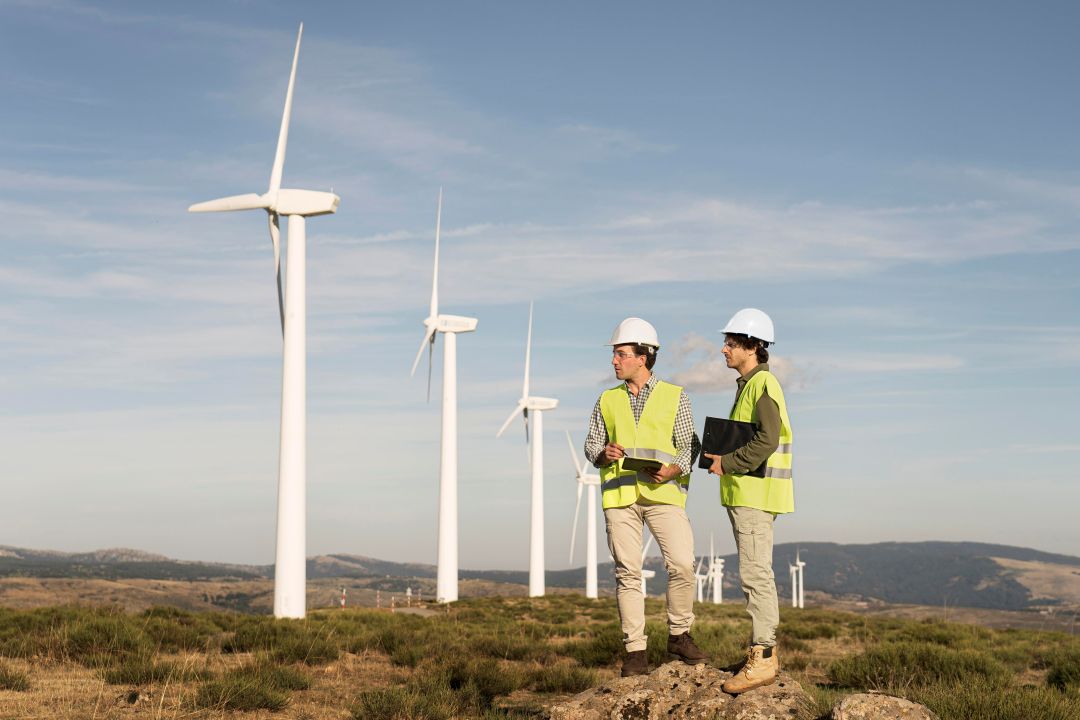
Wind power already plays a major role in Ireland’s energy system, and it continues to grow each year. For farms and industrial sites, wind energy offers a steady way to cut power costs and reduce carbon output. Modern wind turbines Ireland are now designed for local land, weather, and grid rules. This makes them reliable for long-term use.
Ireland’s strong wind speeds and open rural land make it ideal for turbine use. According to SEAI, wind energy supplies over one-third of Ireland’s electricity on many days. For landowners and businesses, this creates real value.
A well-planned turbine can produce clean power for decades while supporting national climate goals. This guide explains turbine options, planning needs, and real-world use for farms and industry.
Why Wind Power Works Well in Ireland
Ireland has one of Europe’s best wind resources. This is supported by long coastlines and open land. Average wind speeds remain strong throughout the year. This helps turbines produce power more often.
Many farms and industrial sites already have suitable space. Turbines need clear airflow and stable ground. Rural areas often meet these needs well. This makes wind a natural fit for agriculture and heavy industry.
Government support also plays a role. Ireland’s Climate Action Plan targets 80% renewable electricity by 2030. Wind power is central to this goal. According to EirGrid, grid upgrades continue to support new renewable projects.
Together, land availability, wind strength, and policy support make wind power a strong option for long-term energy planning.
Wind Turbines Ireland: Solutions for Farms and Industry
Modern wind turbines in Ireland projects are designed for commercial use. These systems are larger, more efficient, and built for steady output. They suit farms, factories, and industrial estates.
Farms often use turbines to power operations directly. Surplus energy can also be exported to the grid. This creates an extra income stream. Industrial users benefit from stable power pricing and reduced exposure to energy market swings.
These turbines are built to last 20–30 years. Most projects include performance monitoring and routine servicing. This keeps output stable over time.
Key benefits include:
- Lower long-term electricity costs
- Reduced carbon emissions
- Better energy independence
- Strong asset value for landowners
Projects supported by professional providers tend to deliver higher output and fewer delays.
Turbine Size Options and Output Levels
Choosing the right turbine size is essential. Output depends on land size, wind speed, and energy demand.
Smaller commercial turbines may suit medium farms. Larger turbines work best for industrial sites and shared land projects. Output is measured in megawatts (MW). Even a single turbine can power hundreds of homes.
Typical turbine sizes
- 500 kW – 1 MW: Large farms and cooperatives
- 2 MW – 3 MW: Industrial and grid-connected projects
- 4 MW+: Utility-scale developments
Larger turbines produce more power but need stronger grid links. A site assessment helps match size to demand. SEAI data shows newer turbines generate more power with fewer units.
Correct sizing improves efficiency and speeds up approval.
Planning, Compliance, and Grid Connection
Wind projects in Ireland must follow strict rules. Planning permission is required before installation. This includes environmental checks and community impact reviews.
Noise levels, shadow flicker, and visual impact are assessed. These steps protect nearby residents and wildlife. Clear planning reduces delays and objections.
Grid connection is another key step. EirGrid manages high-voltage links. ESB Networks handles local connections. Grid access depends on capacity and location.
Professional support helps manage:
- Planning applications
- Environmental reports
- Grid studies
- Safety compliance
Projects that follow these steps carefully tend to move faster and perform better.
Long-Term Costs, Savings, and Maintenance
Wind turbines require a high upfront investment. However, long-term savings are strong. Most turbines pay back costs within 7–12 years.
Once installed, fuel costs are zero. Maintenance costs remain predictable. This makes budgeting easier for farms and industry.
Ongoing cost factors
- Annual servicing
- Parts replacement over time
- Monitoring systems
According to IWEA studies, modern turbines maintain high efficiency for decades. With proper care, downtime stays low.
Power price stability is another benefit. On-site generation reduces reliance on market rates. Over time, this protects businesses from rising energy costs.
Environmental and Community Benefits
Wind energy supports Ireland’s climate goals. Each turbine cuts thousands of tonnes of carbon emissions over its lifetime. This helps meet national and EU targets.
Farms benefit from diversified income. Rural areas gain local investment. Many projects include community benefit funds.
Environmental studies show limited long-term land impact. Farming often continues around turbines. Livestock quickly adapts.
Key positive impacts include:
- Lower greenhouse gas emissions
- Support for rural economies
- Reduced fossil fuel use
Well-managed projects build trust and long-term acceptance.
Conclusion
To conclude, investing in wind energy is a long-term decision that depends on accurate planning, reliable installation, and consistent performance over time. In Ireland’s renewable energy landscape, projects deliver stronger results when supported by experienced providers who understand site conditions, compliance requirements, and scalable turbine deployment.
Turbines Ireland reflects this approach by focusing on practical assessments and professionally managed wind solutions that align with national sustainability goals. This experience-led model often helps projects achieve better efficiency, long-term value, and dependable clean energy output.
Frequently Asked Questions
Q1: Are wind turbines suitable for Irish farms?
Yes. Ireland’s wind levels suit farm locations well. Many farms use turbines to power operations and sell surplus energy. With proper planning and grid access, turbines provide long-term income and lower energy costs while allowing normal farming to continue around the site.
Q2: How long does a commercial wind turbine last?
Most commercial turbines operate for 20–30 years. With regular maintenance, performance remains stable. Many components are upgraded during this period, extending efficiency and output. Professional servicing helps reduce downtime and protects long-term value.
Q3: Do wind turbines need planning permission in Ireland?
Yes. All commercial wind projects require planning approval. This includes environmental studies and public consultation. Working with experienced providers helps ensure compliance with national and local regulations, reducing delays and risks.
Q4: How much power can one turbine produce?
Output depends on turbine size and wind speed. A modern 2–3 MW turbine can power hundreds of homes annually. Industrial turbines often generate enough electricity to support large facilities or export surplus energy to the grid.
Q5: Are wind turbines noisy for nearby properties?
Modern turbines are designed to meet strict noise limits. Planning rules require noise assessments before approval. When installed at proper distances, turbines operate quietly and comply with Irish environmental standards.